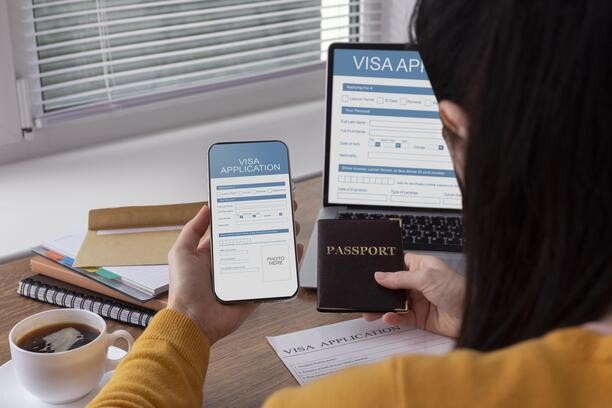


Applying for a Canadian eTA (Electronic Travel Authorization) should be simple. Yet many travellers find themselves stuck with delays or rejections because of avoidable errors. These mistakes cause frustration and even risk missing your flight or trip altogether. If you want to visit Canada stress-free, learning the common eTA application mistakes and how to avoid them is essential.
The eTA process is straightforward, but small slip-ups can lead to big problems. Whether it’s a typo, an expired passport, or rushing at the last minute, these issues create unnecessary headaches. The good news? You can prevent them by knowing what to watch out for.
An eTA is a travel document required for visa-exempt foreign nationals flying to or transiting through Canada. It links electronically to your passport and allows Canadian border officials to screen travellers before they arrive.
Having a valid eTA is critical. Without it, airlines will not let you board your flight to Canada. Plus, incorrect or incomplete applications may delay processing times or cause refusals. This means your carefully planned trip could be at risk.
Related Content:
■ What is an eTA for Canada? A Simple Guide for Travellers
Here are the most frequent mistakes travellers make when applying for their Canadian eTA — and simple ways to avoid them.
One of the biggest mistakes is entering your name, date of birth, or passport number incorrectly. Even one wrong letter or number can cause your application to be rejected or delayed.
Your eTA information must exactly match the details on your passport. For example, if your passport has a hyphen or middle initial, include it exactly the same way on your application.
Tip: Always double-check your passport and carefully copy every detail. Don’t rely on autofill or spellcheck for names or numbers.
Not all passports are eligible for an eTA. Only travellers from visa-exempt countries can apply for an eTA. Using a passport from a country that requires a visa or applying with an expired or old passport can cause refusal.
If you have multiple passports, use the one from a visa-exempt country and ensure it is valid for your entire trip.
Tip: Check if your country is on the visa-exempt list before applying. If unsure, contact the Canadian consulate or official government site.
The eTA application asks questions about your travel history, health, and criminal record. Skipping questions, leaving them blank, or giving false answers can lead to refusal and serious consequences.
Canada’s immigration authorities take honesty seriously. Being truthful and complete will help your application move smoothly.
Tip: Take your time to read each question carefully. If you don’t understand a question, seek help or official guidance rather than guessing.
Waiting until the last minute to apply is a common problem. Some travellers assume the eTA is instant. While many applications do process quickly, some take days or even weeks, especially if extra checks are needed.
If you apply too late, you risk missing your flight or having to reschedule your trip.
Tip: Apply for your eTA as soon as you book your flight. The Canadian government recommends applying at least a few weeks before travel.
Many travellers fall prey to third-party sites offering eTA application help but charging high fees or providing wrong information. These sites are not connected to the Canadian government.
Using unofficial sites can lead to overpayment, scams, or invalid applications.
Tip: Always use the official Government of Canada website to apply for your eTA. It’s free and secure.
After submitting your application, immigration officials might send emails asking for additional information or updates. Missing or ignoring these emails can delay your approval.
Tip: Use an email address you check regularly for your eTA application. Keep an eye out for messages from Canadian immigration.
Making a mistake on your eTA application can cause several problems:
Avoiding these issues will save you time, money, and peace of mind.
Follow these simple steps to avoid common mistakes:
If you don’t get approval before your trip, don’t panic. Here’s what you can do:
Applying for a Canadian eTA is usually quick and easy — but small errors can cause big problems. By avoiding common mistakes such as typos, late applications, and unofficial websites, you can ensure a smooth approval of your eTA.
Start your application early, use accurate info, and stick to official resources. This way, you can focus on enjoying your trip to Canada, not worrying about paperwork.
Having an ‘Identity Verified’ badge or being ‘Identity Verified’ simply indicates that an individual has submitted information to complete our identity verification process or we have conducted internal verification using various authorized websites. While this process includes safeguards, it does not guarantee that the person is who they claim to be.
If you encounter any issues with this profile, please report them here. While all consultants who are verified have RCIC ID, we may not have the latest data in terms of their renewal/cancellation/discontinuation of their RCIC ID.
╳The “Verified Consultants” profiles on Immiperts.com are independently compiled using publicly available information from multiple sources, including the official CICC Public Register, consultants’ own websites, other public directories, and social media.
Immiperts.com is a completely independent platform and is not affiliated with, endorsed by, or connected to the College of Immigration and Citizenship Consultants (CICC), IRCC, or any immigration consultant.
All information is collected manually and is for educational and informational purposes only. Consultants may claim, update, or request removal of their profile by contacting us at hello@immiperts.com.
Users are strongly advised to always verify the latest authorization status directly on the official CICC Public Register at college-ic.ca.