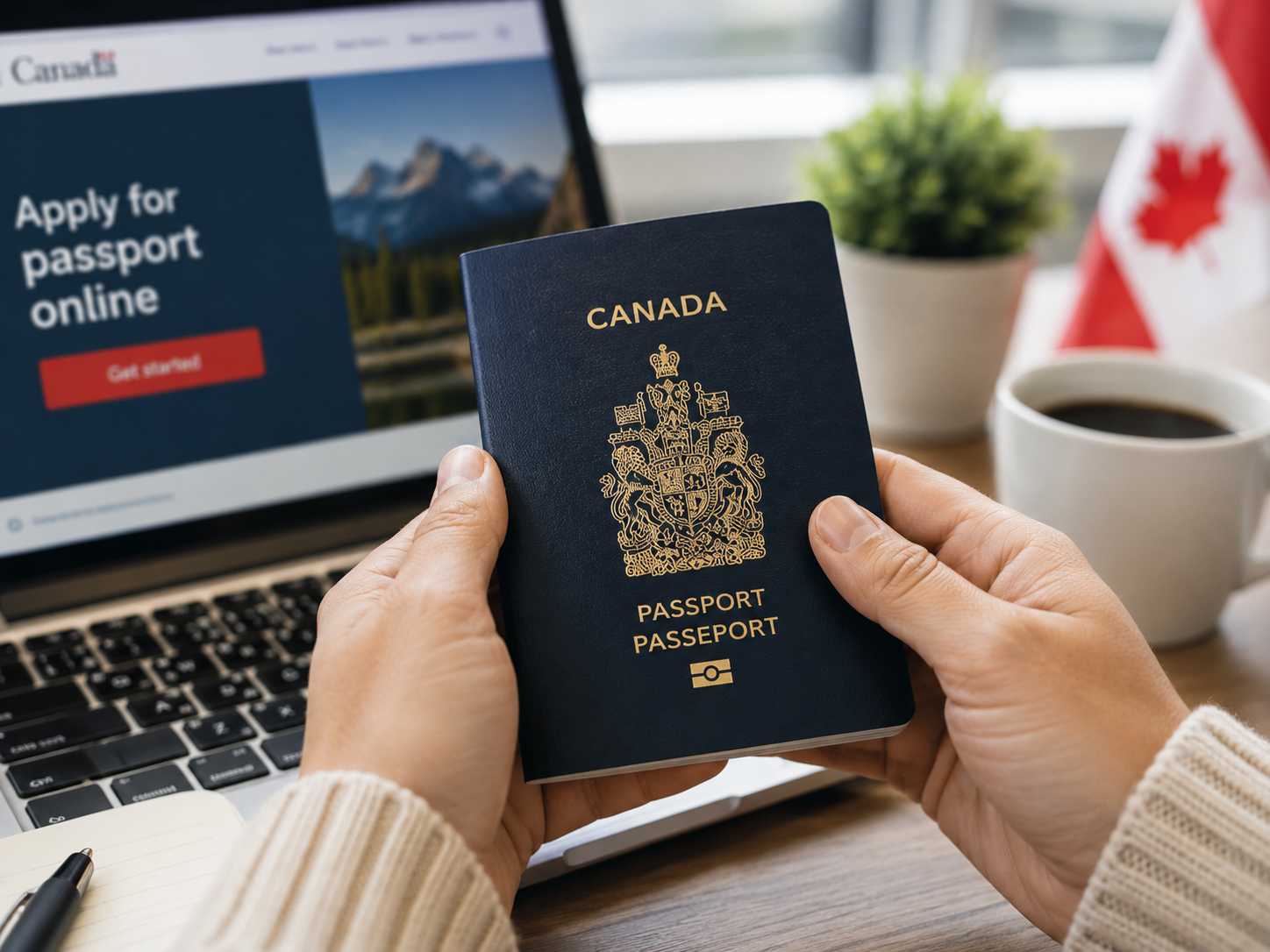


If you're considering dual citizenship in Canada, you might feel daunted by the maze of rules and regulations. The fear of losing your original nationality, facing double taxation, or getting tangled in conflicting legal obligations can make the process seem overwhelming. Many immigrants, travelers, or even Canadians looking to gain another citizenship share these concerns, wondering how to balance the benefits of holding two passports with the potential challenges. This guide breaks it down clearly, addressing the pain points and offering practical steps to navigate the process with confidence.
Dual citizenship means being recognized as a citizen by two countries at the same time. You don’t apply for dual citizenship as a separate status—it happens automatically when both countries acknowledge your citizenship. For example, if you’re Canadian and gain citizenship in another country that allows it, you’re a dual citizen. The same applies if you’re a foreigner becoming a Canadian citizen while retaining your original nationality.
Yes, Canada fully supports dual and even multiple citizenships. You can become a citizen of another country without losing your Canadian citizenship, and vice versa, as long as the other country permits it. This policy has been consistent for decades and remains unchanged as of 2025. However, not all countries are as open—some require you to renounce their citizenship if you take on Canada’s, so always check with your home country’s authorities.
There are several ways to become a dual citizen involving Canada. You might already be one if you were born in Canada to parents from another country that grants citizenship by descent, or if you were born abroad to Canadian parents. Another common route is through naturalization in Canada, where you apply for citizenship after living here as a permanent resident. To qualify, you typically need to:
Before applying, confirm with your home country’s embassy that gaining Canadian citizenship won’t void your original one. If you’re a Canadian seeking another country’s citizenship, the process depends on that country’s rules, but Canada won’t penalize you for it.
Holding citizenship in Canada and another country brings significant advantages. You can:
For many, dual citizenship feels like a bridge between two homes, reflecting Canada’s multicultural ethos. It’s especially valuable for those who want flexibility in where they live, work, or retire.
Dual citizenship isn’t without complications. You’re subject to the laws of both countries, which can create conflicts. For instance:
These issues don’t affect everyone, but they’re worth researching based on your specific countries and circumstances.
When traveling, dual citizens need to be strategic with their passports. If you’re returning to Canada, you must use your Canadian passport to enter—it’s a legal requirement. When entering your other country of citizenship, you may need to use that country’s passport, as some nations don’t allow entry on a foreign one. Always carry both passports to avoid complications, and check entry and exit rules for each country before you travel. This preparation prevents delays or being denied entry.
Canada won’t make you give up your other citizenship, but your home country might. Some nations automatically revoke citizenship if you take on another, so verify this with their authorities. If you’re unsure whether you’re already a dual citizen (e.g., through birth or parentage), check your family history or consult an immigration lawyer.
Tax rules vary by country. Canada taxes residents on their worldwide income, but tax treaties often prevent double taxation. A tax advisor can help you navigate this to avoid overpaying.
If you’re a dual citizen, your children might inherit citizenship from both countries, depending on the other country’s laws. For example, Canada grants citizenship to children born to Canadian parents abroad (though there are limits for second generations born outside Canada).
Dual citizenship in Canada offers incredible opportunities, from greater travel freedom to the ability to live and work in two countries. But it comes with responsibilities, like understanding both nations’ laws and managing potential conflicts. If you’re considering this path, start by researching your specific situation—check with embassies, consult professionals for tax or legal advice, and review Canada’s official immigration website for the latest requirements. With careful planning, dual citizenship can be a rewarding way to connect your past and future.
Having an ‘Identity Verified’ badge or being ‘Identity Verified’ simply indicates that an individual has submitted information to complete our identity verification process or we have conducted internal verification using various authorized websites. While this process includes safeguards, it does not guarantee that the person is who they claim to be.
If you encounter any issues with this profile, please report them here. While all consultants who are verified have RCIC ID, we may not have the latest data in terms of their renewal/cancellation/discontinuation of their RCIC ID.
╳The “Verified Consultants” profiles on Immiperts.com are independently compiled using publicly available information from multiple sources, including the official CICC Public Register, consultants’ own websites, other public directories, and social media.
Immiperts.com is a completely independent platform and is not affiliated with, endorsed by, or connected to the College of Immigration and Citizenship Consultants (CICC), IRCC, or any immigration consultant.
All information is collected manually and is for educational and informational purposes only. Consultants may claim, update, or request removal of their profile by contacting us at hello@immiperts.com.
Users are strongly advised to always verify the latest authorization status directly on the official CICC Public Register at college-ic.ca.