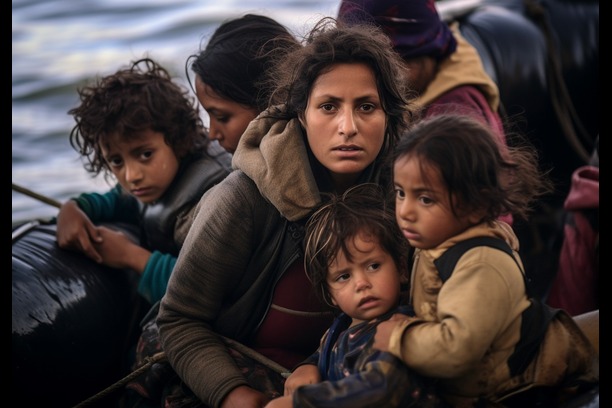


Canada’s immigration and refugee system continues to change as global movement increases and demand for protection remains high. Many people rely on this system to seek safety, reunite with family, or resolve immigration disputes. Understanding current trends helps applicants, families, and advisors prepare for longer timelines and complex processes.
The Immigration and Refugee Board, commonly known as the IRB, handles refugee protection claims, appeals, and immigration-related hearings. Its workload offers insight into how the system operates and where pressure points exist. Recent patterns show steady case intake, ongoing decisions, and persistent backlogs.
Canada continues to receive a large number of refugee protection claims. People arrive from many regions seeking safety due to conflict, violence, or political instability. This steady demand reflects Canada’s global role as a destination for protection.
Each claim requires careful review. Hearings must assess personal risk, credibility, and legal eligibility. As more claims enter the system, the overall workload increases. This growth contributes to longer waiting periods for many applicants.
The IRB continues to process and decide cases on a regular basis. Many claims reach a final outcome after hearings and reviews. These decisions show that the system remains active and functioning.
However, the number of new cases often exceeds the number of completed ones. This gap leads to a growing number of pending files. Applicants may wait months or longer for hearings or decisions, depending on case type and complexity.
More individuals choose to challenge decisions through appeals. Appeals allow a second review when someone believes an error occurred. These cases add another layer of review and require additional time.
Appeals often involve detailed legal analysis. They can extend the overall process for applicants. As appeal numbers rise, they further contribute to longer processing times across the system.
Beyond refugee protection, the IRB handles immigration appeals involving family sponsorships, residency obligations, and removal orders. These cases often affect families directly. Delays can keep loved ones apart or create uncertainty for permanent residents.
These appeals require careful review of documents and personal circumstances. Growing volumes in this area reflect broader pressure on Canada’s immigration system.
Applicants should prepare for longer timelines. While decisions continue, higher volumes mean patience remains necessary. Staying informed helps manage expectations and reduces stress.
Clear communication, complete documentation, and timely responses remain essential. Understanding the system helps individuals plan housing, employment, and family decisions more effectively.
Canada’s immigration and refugee system continues to face strong demand and growing complexity. Refugee claims, appeals, and immigration disputes remain high. While decisions move forward, backlogs continue to affect timelines. Understanding these trends helps applicants and families prepare for the process ahead with greater confidence and clarity.
These cases require detailed review and legal analysis. Each claim involves personal histories, documents, and risk assessments. When many cases enter the system at once, waiting times increase. Limited resources and complex appeals can also extend timelines.
A pending case means the board has not reached a decision yet. Applicants usually keep their legal status while waiting, depending on their situation. It is important to keep contact information updated and respond promptly to any requests. Delays do not mean refusal.
Some applicants may qualify for work or study authorization while waiting. Eligibility depends on individual circumstances and the type of application. Approval is not automatic, so applicants should apply early and follow all rules carefully.
Appeals add another step to the process. The board must review the original decision and supporting evidence. This review takes time and can extend the overall timeline. Appeals help ensure fairness but also increase system workload.
Planning ahead helps reduce stress. Applicants should maintain valid documents, explore temporary work or study options if allowed, and seek accurate information. Understanding current trends helps set realistic expectations and avoid unnecessary anxiety.
Having an ‘Identity Verified’ badge or being ‘Identity Verified’ simply indicates that an individual has submitted information to complete our identity verification process or we have conducted internal verification using various authorized websites. While this process includes safeguards, it does not guarantee that the person is who they claim to be.
If you encounter any issues with this profile, please report them here. While all consultants who are verified have RCIC ID, we may not have the latest data in terms of their renewal/cancellation/discontinuation of their RCIC ID.
╳The “Verified Consultants” profiles on Immiperts.com are independently compiled using publicly available information from multiple sources, including the official CICC Public Register, consultants’ own websites, other public directories, and social media.
Immiperts.com is a completely independent platform and is not affiliated with, endorsed by, or connected to the College of Immigration and Citizenship Consultants (CICC), IRCC, or any immigration consultant.
All information is collected manually and is for educational and informational purposes only. Consultants may claim, update, or request removal of their profile by contacting us at hello@immiperts.com.
Users are strongly advised to always verify the latest authorization status directly on the official CICC Public Register at college-ic.ca.