



Canada’s Express Entry system is facing a shortage of French-speaking applicants, which is affecting draw sizes and CRS scores.
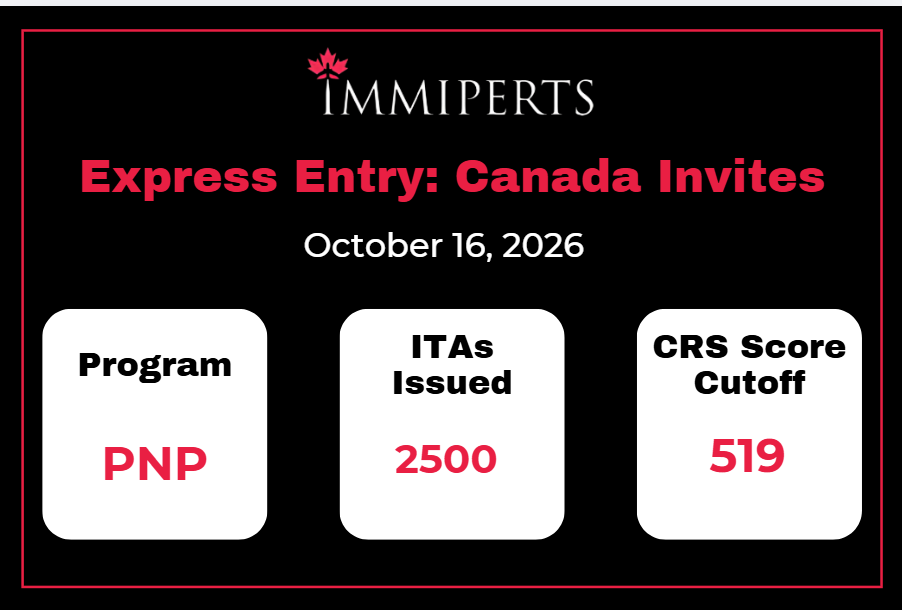
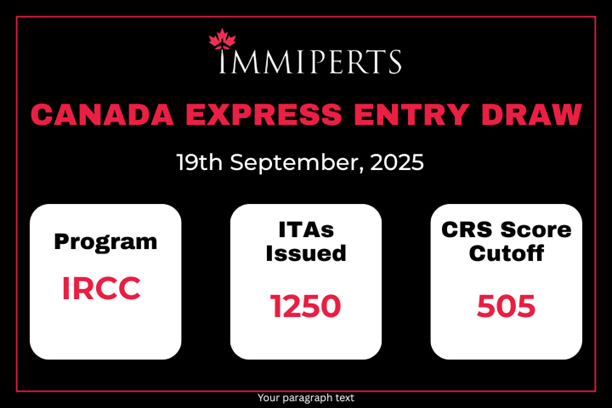
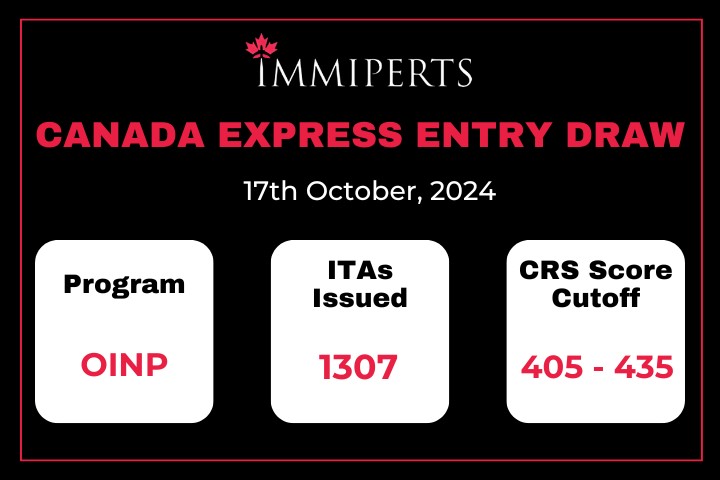
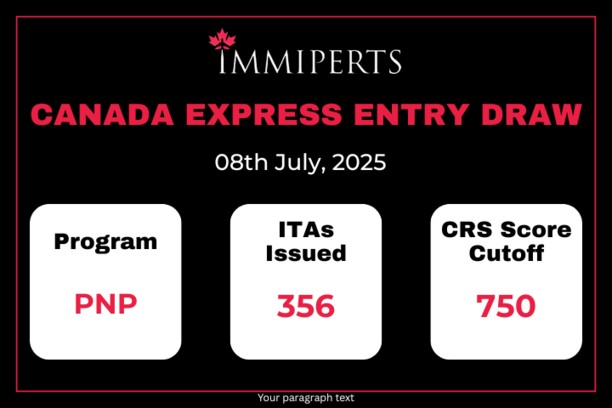
Canada’s Express Entry immigration system is facing a growing shortage of French-speaking candidates, according to recent data. This shift has prompted the country’s immigration department to go deeper into the pool of applicants who speak French in order to maintain the required number of draws.
The Current Situation
Recent draws for the Express Entry system have shown that the number of French-speaking applicants is steadily decreasing. This shortage is a result of several factors, including the government's rules surrounding Comprehensive Ranking System (CRS) scores, new tie-breaking rules, and a decline in draw sizes.
Canada's Express Entry system allows candidates to apply for permanent residency through various immigration programs. Those with higher CRS scores are invited to apply for permanent residence, but lately, the pool has seen fewer candidates proficient in French, which could potentially affect the diversity and overall quality of applicants.
Why the Shortage Matters
The shortage of French-speaking applicants is a concern for Canadian immigration officials, as the country has long prided itself on being bilingual. French is one of Canada’s official languages, and attracting French speakers, especially in Quebec, is a key goal. A smaller number of French-speaking applicants could influence the success of Canada’s bilingual initiatives.
This issue has led to the government adjusting its approach in recent Express Entry draws. The immigration department has been looking deeper into the pool of French-speaking candidates to ensure that the number of invitations to apply remains steady.
Factors Behind the Change
Several changes in how Express Entry works have contributed to this situation. For instance, the tie-breaking rules that were introduced recently have had an impact. In the past, ties in CRS scores were broken based on the date and time an application was submitted. The new rules, however, could make it harder for some applicants to get an invitation, especially if there are fewer French-speaking candidates.
Additionally, CRS cut-off scores have remained fairly steady. However, with fewer French-speaking applicants, Canada is relying more on candidates from other categories to meet the necessary targets.
Looking Ahead
The immigration department is aware of this issue and has indicated that it will continue to monitor the Express Entry pool closely. With Canada's long-term immigration goals in mind, the focus on attracting more French speakers remains a priority, as they are crucial to the country’s bilingual workforce and economy.
Canada’s efforts to address this shortage may include adjustments to the rules governing Express Entry or additional support for French-speaking applicants. However, for now, the country is adapting to this new reality and trying to maintain balanced, fair, and consistent draws.








Having an ‘Identity Verified’ badge or being ‘Identity Verified’ simply indicates that an individual has submitted information to complete our identity verification process or we have conducted internal verification using various authorized websites. While this process includes safeguards, it does not guarantee that the person is who they claim to be.
If you encounter any issues with this profile, please report them here. While all consultants who are verified have RCIC ID, we may not have the latest data in terms of their renewal/cancellation/discontinuation of their RCIC ID.
╳The “Verified Consultants” profiles on Immiperts.com are independently compiled using publicly available information from multiple sources, including the official CICC Public Register, consultants’ own websites, other public directories, and social media.
Immiperts.com is a completely independent platform and is not affiliated with, endorsed by, or connected to the College of Immigration and Citizenship Consultants (CICC), IRCC, or any immigration consultant.
All information is collected manually and is for educational and informational purposes only. Consultants may claim, update, or request removal of their profile by contacting us at hello@immiperts.com.
Users are strongly advised to always verify the latest authorization status directly on the official CICC Public Register at college-ic.ca.