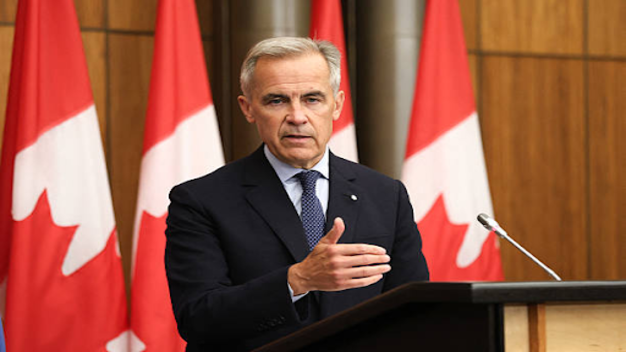



Lawmakers agreed on significant updates to Bill C-12 that place clearer limits on the immigration powers of the governor general.
A key committee in Ottawa approved changes to Bill C-12 and set firm limits on how the governor general can use new border and immigration powers. The committee members said the changes give people in Canada more protection and more clarity. They also said the bill now focuses on real risks, not broad opinion.
Bill C-12 deals with border security and the integrity of Canada’s immigration system. The original draft gave the governor general very wide authority. It allowed them to stop the intake of immigration applications, end the processing of files, and cancel or change documents such as work permits, study permits, and permanent resident cards. The draft also allowed the governor general to place new conditions on immigration documents and on temporary residents.
The committee said these powers need limits. Members said the country must protect its immigration system but must also treat people fairly. They agreed that the bill must stay strong but also stay clear.
New Definition of Public Interest
The approved amendments narrow the meaning of “public interest.” The term now applies only to five areas: administrative errors, fraud, public health, public safety, or national security. Lawmakers said these five areas create a clear standard and prevent misuse.
Supporters of the change said foreign nationals and permanent residents now gain a level of certainty. They said people will not worry about sudden or arbitrary decisions. One member said the bill “works better when rules stay clear and reasons stay honest.”
Greater Accountability Required
The amendments also add a new transparency rule. If the governor general issues any order under the bill, the immigration minister must file a report to Parliament. The report must explain why the order was made and identify who was affected. Lawmakers said this step ensures full accountability.
The report will help Parliament track the use of these powers. It will also give the public insight into how the immigration system responds to urgent situations. Lawmakers said this keeps the balance between authority and oversight.
Bill C-12 now sits at the report stage in the House of Commons. Members will debate it and may offer more changes. After this stage, the bill will move to its third reading in the House. The House must vote on the final version.
If the House approves the bill, it will move to the Senate for its first reading. It must pass all three readings in the Senate as well. After that, it will need royal assent before it becomes law.
The governor general acts on advice from the prime minister and cabinet. This bill does not change that. Instead, it places clearer rules around when the government can use extraordinary powers in immigration matters.
Lawmakers said they want the bill to protect Canada while keeping the system fair. They said the new limits help achieve that goal, and they expect more debate as the bill moves forward.








Having an 'Identity Verified' badge or being 'Identity Verified' simply indicates that an individual has submitted information to complete our identity verification process or we have conducted internal verification using various authorized websites. While this process includes safeguards, it does not guarantee that the person is who they claim to be.
If you encounter any issues with this profile, please report them here. While all consultants who are verified have RCIC ID, we may not have the latest data in terms of their renewal/cancellation/discontinuation of their RCIC ID.
The "Verified Consultants" profiles are created using publicly available information, including data from the IRCC website, official consultant sites, other listing platforms, and social media. Immiperts.com is an independent platform, not affiliated with IRCC or any registered immigration consultants. To update, claim, or remove your profile, please contact us at [email protected].
╳