



Large numbers of Haitians in the U.S. could face removal in 2026.
More than 350,000 Haitians living legally in the United States may face removal beginning in February 2026. This uncertainty drives many to look north. Canada’s merit-based Express Entry system offers a possible path for Haitians who already have strong work histories and valuable skills. French-speaking Haitians hold an even stronger edge, as Canada continues to raise its targets for French-speaking newcomers.
Canada set a goal to reach 10.5% French-speaking permanent residents by 2028 outside Quebec. This target gives Haitian nationals a clear advantage. Most speak French, and many also speak English. This combination creates a strong profile under the Comprehensive Ranking System, or CRS. The CRS awards points for age, studies, work experience, and language results.
A candidate who scores well in both English and French can earn up to 210 points for language alone. They can receive another 100 points through skill transferability if they have foreign work experience or higher education. These points help many Haitian applicants rank high in the system.
Canada holds regular draws through Express Entry. Officials invite candidates with strong CRS scores to apply for permanent residence. Even those with moderate scores still have a chance. Category-based draws sometimes set lower cutoffs. One such category focuses on French-language ability. To qualify, candidates must meet NCLC level 7 in listening, reading, writing, and speaking.
This year, French draws showed the lowest CRS ranges of any category, from 379 to 481. Out of 94,476 invitations issued this year, 42,000 went to French-language candidates. These numbers show the advantage French-speaking Haitians may hold.
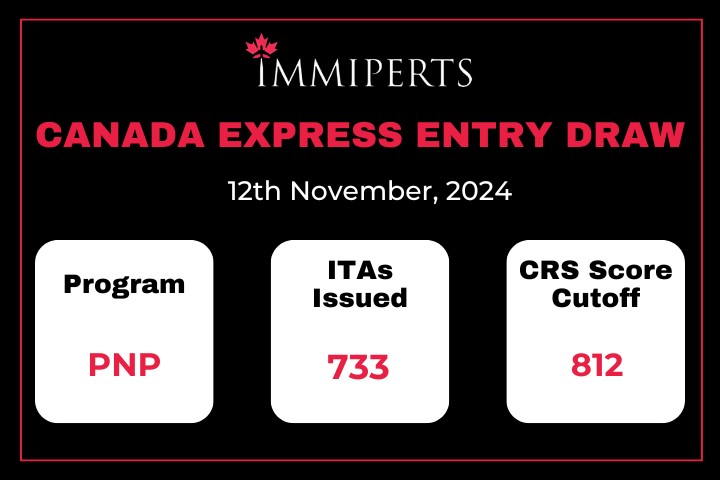
Other draw types posted higher cutoffs. Canadian Experience Class draws ranged from 518 to 547. Provincial Nominee Program draws showed scores well above 699. Trades and education draws also posted higher levels. This gap shows how French-speaking applicants often gain quicker access to permanent residence.
Edmund is a 28-year-old Haitian man living in the United States. He works as a restaurant manager and holds a bachelor’s degree from Costa Rica. He speaks French from childhood and later learned English. He hopes to settle in Alberta.
His language scores place him at NCLC/CLB 9. His education, work history, and language skills give him a CRS score of 503. With this score, he would have received an invitation in any of the French-language draws held this year.
Delia is a 31-year-old Haitian woman working as a web developer in the United States. She holds two educational credentials and speaks English very well. She plans to join her sister in Manitoba. She applied through Manitoba’s Skilled Worker Overseas stream and received a provincial nomination worth 600 CRS points.
Her final CRS score sits at 1,048. With this score, she qualifies for every PNP draw this year. A future invitation is almost certain.



Having an 'Identity Verified' badge or being 'Identity Verified' simply indicates that an individual has submitted information to complete our identity verification process or we have conducted internal verification using various authorized websites. While this process includes safeguards, it does not guarantee that the person is who they claim to be.
If you encounter any issues with this profile, please report them here. While all consultants who are verified have RCIC ID, we may not have the latest data in terms of their renewal/cancellation/discontinuation of their RCIC ID.
The "Verified Consultants" profiles are created using publicly available information, including data from the IRCC website, official consultant sites, other listing platforms, and social media. Immiperts.com is an independent platform, not affiliated with IRCC or any registered immigration consultants. To update, claim, or remove your profile, please contact us at [email protected].
╳