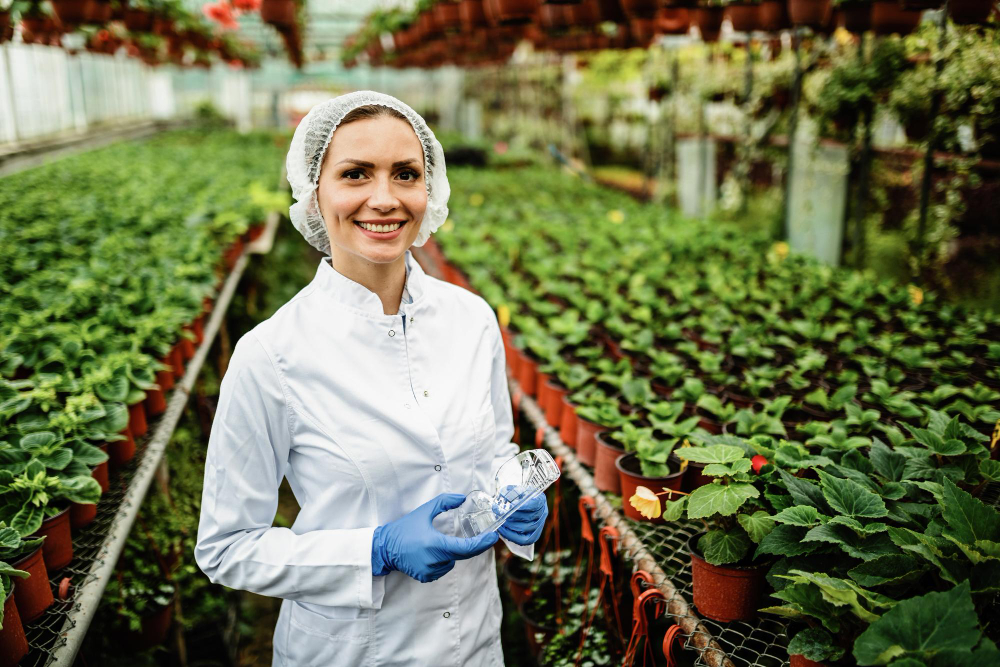



For many farm and food workers in Canada, the biggest challenge isn’t the work itself — it’s the uncertainty of staying. These workers keep Canada’s food supply running, yet many live year to year on temporary permits, unsure of their future. The Agri-Food Pilot program offers hope — a direct, fair pathway to permanent residency (PR) for those already contributing to Canada’s vital agriculture and food industry.
This program recognizes the hard work of employees in farms, meat plants, and greenhouses, giving them and their families a real opportunity to call Canada home.
The Agri-Food Pilot is a federal immigration program designed to tackle Canada’s ongoing labour shortage in agriculture and food processing. It allows eligible foreign workers in specific agri-food jobs to apply for permanent residency after gaining full-time, non-seasonal work experience in Canada.
Unlike temporary work permits, which must be renewed every few years, the Agri-Food Pilot helps workers build long-term stability — with access to healthcare, education, and the ability to stay with their families permanently.
This pilot isn’t just about filling jobs. It’s about creating futures for the people who help feed the nation.
Canada’s agriculture and food industries are struggling with severe worker shortages. Farms, meat plants, and greenhouses depend heavily on foreign labour to meet demand. Without enough permanent workers, businesses face production delays, higher costs, and reduced supply.
For workers, the situation has long been uncertain. Many have lived in Canada for years under temporary status, unable to plan their futures or bring their families permanently.
The Agri-Food Pilot program was created to solve both problems — by giving employers a steady workforce and giving workers the security of permanent residence. It’s a win-win for Canada’s economy and the people who sustain it.
The program has clear eligibility rules, making it accessible yet focused on workers with proven experience in Canada’s agri-food sector.
You must have at least one year of full-time, non-seasonal work experience in an eligible job within Canada’s agri-food industry. This includes work in meat processing, mushroom or greenhouse production, or livestock farming.
Applicants must have a permanent, full-time job offer from a Canadian employer in an eligible occupation. The offer must be outside of Quebec.
You need at least a high school diploma (Canadian equivalent) and a minimum Canadian Language Benchmark (CLB) 4 in English or French — a simple requirement that makes the program attainable for many.
4. Proof of Funds
Applicants must show they have enough money to support themselves and their families during settlement, unless they’re already employed in Canada.
The program is limited to specific National Occupational Classification (NOC) codes within the food and agriculture sectors. Eligible jobs include:
These essential roles keep Canada’s food industry running — and now, they also open the door to permanent residency.
Before this program, thousands of agri-food workers had no clear way to stay in Canada permanently, even after years of contribution. The Agri-Food Pilot changes that by valuing their skills, dedication, and experience.
Unlike Express Entry, which often favours higher education or professional jobs, this pilot recognizes hands-on, essential work. It provides a clear, practical PR pathway for those who help feed Canadians every day.
Applying through the Agri-Food Pilot involves several stages, but each step is straightforward when approached carefully.
Confirm your occupation is on the eligible job list and that you meet all work, language, and education criteria.
Collect your key documents, including:
Apply for permanent residence through the official Immigration, Refugees and Citizenship Canada (IRCC) portal under the Agri-Food Pilot category.
Processing times typically range between 12 to 18 months, depending on your application’s completeness and demand.
Once approved, you and your family can begin your new chapter as permanent residents — with the security and rights that come with it.
The pilot doesn’t just benefit workers — it strengthens Canada’s food system. By retaining skilled, experienced workers, it ensures stability in key industries like meat processing and greenhouse farming.
It also supports rural and small-town communities where many of these industries operate. Workers who gain PR often invest in their communities — buying homes, starting businesses, and raising families locally — helping these regions grow.
The Agri-Food Pilot isn’t just another immigration program — it’s a recognition of the people who work tirelessly behind Canada’s food security. For many, it’s the first real opportunity to move from uncertainty to stability.
If you’ve worked in Canada’s agriculture or food processing industry and dream of calling this country home, this program could be your bridge to permanent residency.
Your hard work keeps Canada fed — now, it can also help you build your future here.
Having an 'Identity Verified' badge or being 'Identity Verified' simply indicates that an individual has submitted information to complete our identity verification process or we have conducted internal verification using various authorized websites. While this process includes safeguards, it does not guarantee that the person is who they claim to be.
If you encounter any issues with this profile, please report them here. While all consultants who are verified have RCIC ID, we may not have the latest data in terms of their renewal/cancellation/discontinuation of their RCIC ID.
The "Verified Consultants" profiles are created using publicly available information, including data from the IRCC website, official consultant sites, other listing platforms, and social media. Immiperts.com is an independent platform, not affiliated with IRCC or any registered immigration consultants. To update, claim, or remove your profile, please contact us at [email protected].
╳