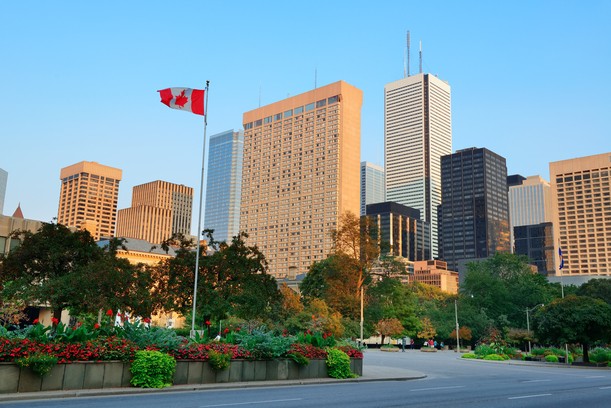



Canada is known for being a welcoming country, open to people from all over the world. Immigration plays a huge role in our economy and culture. But in recent years, the rising cost of housing and growing concerns about affordability have led to tough questions: Are we welcoming too many people too fast? And are our housing policies keeping up with demand?
This blog looks at how immigration caps and housing reforms are shaping the country, the challenges they aim to solve, and what they could mean for Canadians now and in the future.
Across Canada, the cost of housing has been rising faster than wages. In big cities like Toronto and Vancouver, buying a home is out of reach for many middle-income families. Even renting a one-bedroom apartment has become more difficult and expensive in many parts of the country. This has put a lot of pressure on younger Canadians, newcomers, and low-income households.
One major reason for this crisis is the imbalance between supply and demand. Simply put, there aren't enough homes being built to meet the growing need.
Canada depends on immigration to grow its workforce and support an aging population. Newcomers bring skills, fill jobs, and start businesses. But as more people move in, the demand for housing increases. Without enough homes, prices go up.
In recent years, the number of new permanent residents and temporary visa holders has grown quickly. This includes international students, foreign workers, and refugees. Many of them settle in urban areas, which already face housing shortages.
This rising population without enough housing has made the situation worse. The government now faces pressure to strike a balance: support economic growth through immigration while also ensuring enough homes are available and affordable.
Immigration caps are limits set by the government on how many people can enter the country each year. These can apply to different groups such as skilled workers, family members of Canadian citizens, or refugees.
By introducing caps or slowing down intake temporarily, the idea is to reduce pressure on housing, schools, transit, and health services. The government has recently signaled that it will pause the growth of temporary immigration to give cities and provinces time to catch up with housing and infrastructure needs.
However, this approach isn’t without drawbacks. A cap on immigration can lead to labour shortages in industries like healthcare, construction, and agriculture — all of which are essential to Canada’s economy. If not handled carefully, it could also slow down innovation and economic growth.
To tackle the housing crisis, several reforms have been introduced. These aim to increase the supply of homes, speed up construction, and make housing more affordable for Canadians.
Some of these reforms include:
By supporting faster construction and encouraging mixed-use development, the goal is to make homes more available and to better match supply with demand.
Immigration and housing policies are deeply connected. Bringing in skilled immigrants helps Canada grow and prosper, but if we don’t build enough homes, we risk creating social and economic strain.
By setting realistic immigration caps while fast-tracking housing construction, the country can aim for a more sustainable path forward. It's about timing and planning — allowing housing supply and infrastructure to keep up with population changes.
Some experts believe that rather than focusing on fewer immigrants, Canada should focus on smarter urban planning and faster development. Others argue that slowing immigration temporarily is necessary until we catch up on housing.
The key is not to blame newcomers for the housing crisis, but to look at the systems in place and improve them.
For everyday Canadians, the combination of immigration caps and housing reforms will have real impacts:
At the same time, there could be short-term challenges. For example, if fewer immigrants arrive, some businesses may struggle to find workers. On the other hand, if housing reforms fall short, even slower immigration may not ease the pressure on affordability.
Solving Canada’s housing crisis is not a one-step process. It needs long-term planning, cooperation between governments at all levels, and careful coordination with immigration policies.
Canada can continue to be a place of opportunity, growth, and diversity — but only if the people who live here can find a place to call home. Smart reforms, thoughtful immigration planning, and faster housing development must work hand in hand to shape a better future for all.
Read More: How Immigration Is Shaping Canada’s Housing Crisis And Infrastructure Strain
Having an 'Identity Verified' badge or being 'Identity Verified' simply indicates that an individual has submitted information to complete our identity verification process or we have conducted internal verification using various authorized websites. While this process includes safeguards, it does not guarantee that the person is who they claim to be.
If you encounter any issues with this profile, please report them here. While all consultants who are verified have RCIC ID, we may not have the latest data in terms of their renewal/cancellation/discontinuation of their RCIC ID.
The "Verified Consultants" profiles are created using publicly available information, including data from the IRCC website, official consultant sites, other listing platforms, and social media. Immiperts.com is an independent platform, not affiliated with IRCC or any registered immigration consultants. To update, claim, or remove your profile, please contact us at [email protected].
╳