



Canada’s FMCSP lets French-speaking students from 33 nations move from studies to permanent residency without extra steps.
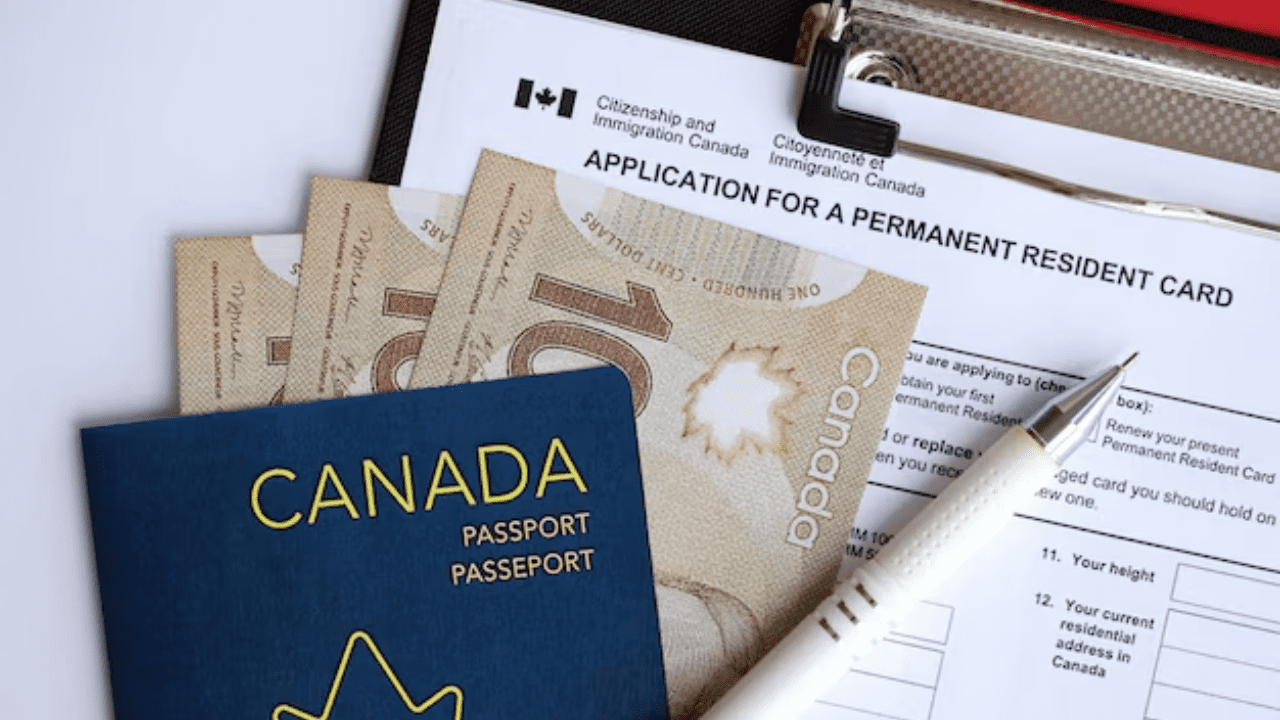
Canada now offers French-speaking students from certain countries a direct way to gain permanent residence after graduation. The Francophone Minority Communities Student Pilot (FMCSP) lets eligible students skip the usual work permit route and apply for permanent residency right after finishing their studies.
This program benefits those who want more certainty than the traditional study-to-work-to-PR path, which can be competitive and unpredictable. It also accepts a lower French language score than other French-specific immigration draws—NCLC 5 instead of NCLC 7.
Only citizens from 33 countries can apply, including Bénin, Morocco, Senegal, Haiti, Lebanon, and several African, Caribbean, and Middle Eastern nations. Applicants must:
Some may also need to provide police certificates and medical exams.
There are 14 participating French-language or bilingual DLIs outside Quebec. These include Collège Boréal, Université de Moncton, University of Ottawa, University of Alberta, and York University’s Glendon campus. Many institutions have multiple campuses taking part. More schools may join in the future.
First, students must secure a letter of acceptance that clearly states the program meets FMCSP requirements. Then, they can apply online through the immigration department’s secure account or in some cases via their local visa office.
Applicants must provide proof of acceptance, financial support, and French language test results from TEF Canada or TCF Canada. If biometrics are needed, they must be given within 30 days.
Successful applicants get a port of entry letter to show when arriving in Canada. Depending on their situation, they also receive an electronic travel authorization or visitor visa.
Students must prove they can pay tuition and living costs. Living expenses range from $14,206 to $20,635 for one person, depending on the school’s location. Proof can include Canadian bank accounts, guaranteed investment certificates, student loan documents, bank statements, receipts for tuition or housing, and scholarship letters.
Once students complete their program under the FMCSP, they can apply for PR without needing a job offer or going through Express Entry. They must live outside Quebec, hold valid temporary resident status, and have earned an eligible diploma or degree.
The pilot launched on August 26, 2024, with a cap of 2,300 applications in its first year. The 2025 cap will be announced in August.










Having an ‘Identity Verified’ badge or being ‘Identity Verified’ simply indicates that an individual has submitted information to complete our identity verification process or we have conducted internal verification using various authorized websites. While this process includes safeguards, it does not guarantee that the person is who they claim to be.
If you encounter any issues with this profile, please report them here. While all consultants who are verified have RCIC ID, we may not have the latest data in terms of their renewal/cancellation/discontinuation of their RCIC ID.
╳The “Verified Consultants” profiles on Immiperts.com are independently compiled using publicly available information from multiple sources, including the official CICC Public Register, consultants’ own websites, other public directories, and social media.
Immiperts.com is a completely independent platform and is not affiliated with, endorsed by, or connected to the College of Immigration and Citizenship Consultants (CICC), IRCC, or any immigration consultant.
All information is collected manually and is for educational and informational purposes only. Consultants may claim, update, or request removal of their profile by contacting us at hello@immiperts.com.
Users are strongly advised to always verify the latest authorization status directly on the official CICC Public Register at college-ic.ca.