



Canada’s new citizenship rules may change how some Americans with Canadian ancestry enter the country.
Some Americans with criminal records may now have a clearer path to enter Canada if they qualify as Canadian citizens by descent under recent changes to Canada’s Citizenship Act.
For years, U.S. citizens with criminal records often faced serious barriers at the Canadian border. Even offences such as impaired driving could lead to a finding of criminal inadmissibility for people entering Canada as foreign nationals.
That situation may now be different for some Americans with Canadian ancestry.
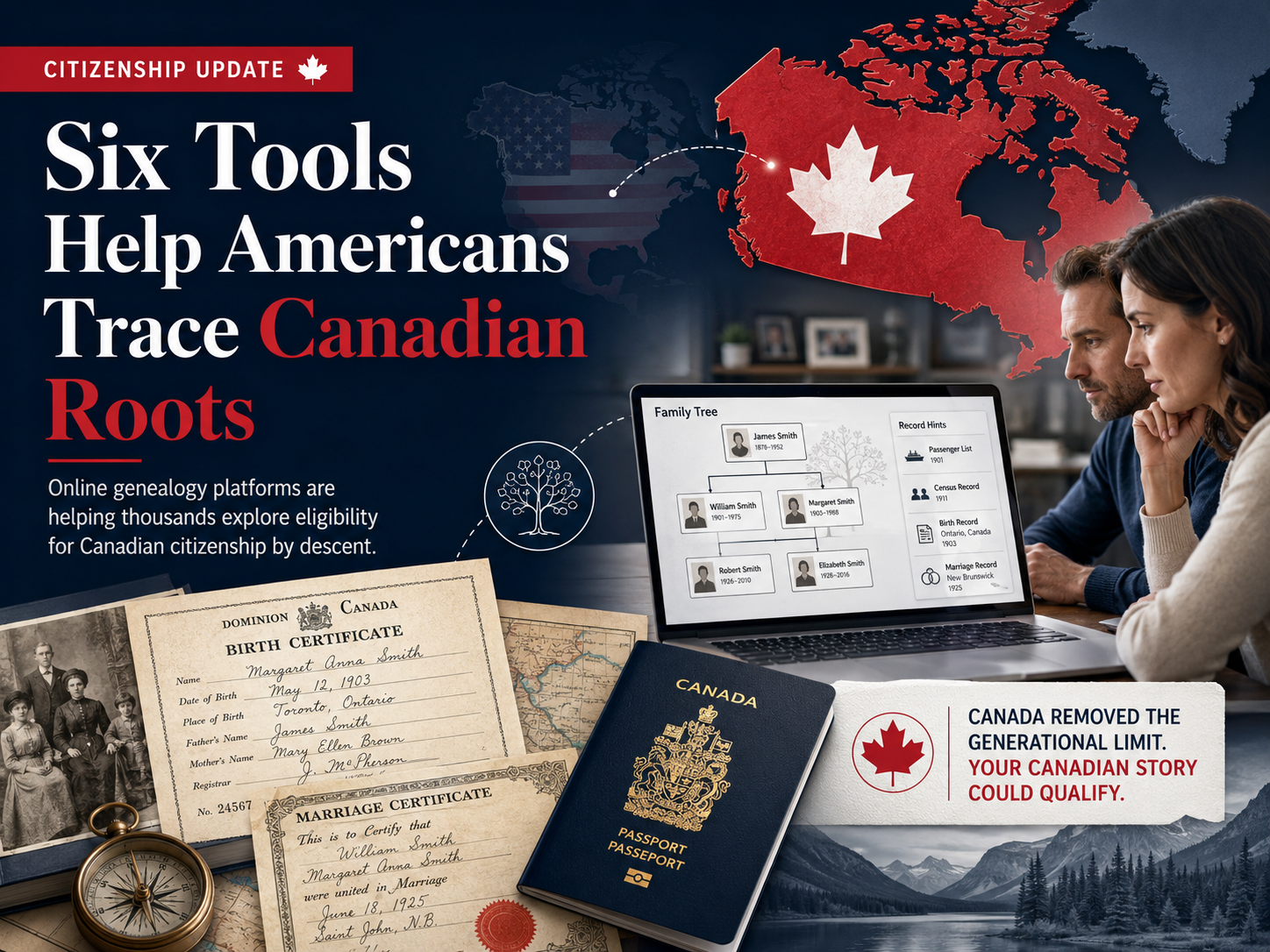
In December 2025, Canada changed its citizenship rules by removing the generational limit for many people born outside Canada before December 15, 2025.
The change means some people with Canadian ancestry may now be recognized as Canadian citizens by descent, even if the Canadian ancestor was a grandparent, great-grandparent, or earlier family member.
The article says millions of Americans could be affected because of the large number of people in the United States with Canadian family roots.
For those who qualify, the issue is no longer only about visiting Canada as a U.S. citizen. They may already be Canadian citizens under the law.
Canadian citizens have the right to enter Canada. That right is different from the rules that apply to foreign nationals.
A U.S. citizen without Canadian citizenship or permanent residence must satisfy border officials that they meet Canada’s entry rules. Criminal history can make that difficult, depending on the offence and how Canadian law treats it.
But a person who is legally a Canadian citizen by descent is not asking Canada for visitor admission in the same way. They must prove their identity and Canadian citizenship.
Americans who do not qualify for Canadian citizenship by descent still face Canada’s regular criminal inadmissibility rules.
Foreign nationals who are considered inadmissible because of criminal history generally have three possible ways to seek entry.
They may apply for a temporary resident permit, also called a TRP. This is a limited permission that can allow entry when the reason for travel outweighs the possible risk.
They may also qualify for deemed rehabilitation, or they may apply for individual criminal rehabilitation. These options usually depend on the type of offence, how much time has passed, and whether the person can show they no longer pose a risk.
These processes can be strict, detailed, and uncertain.
For citizenship by descent, the main issue is evidence of ancestry.
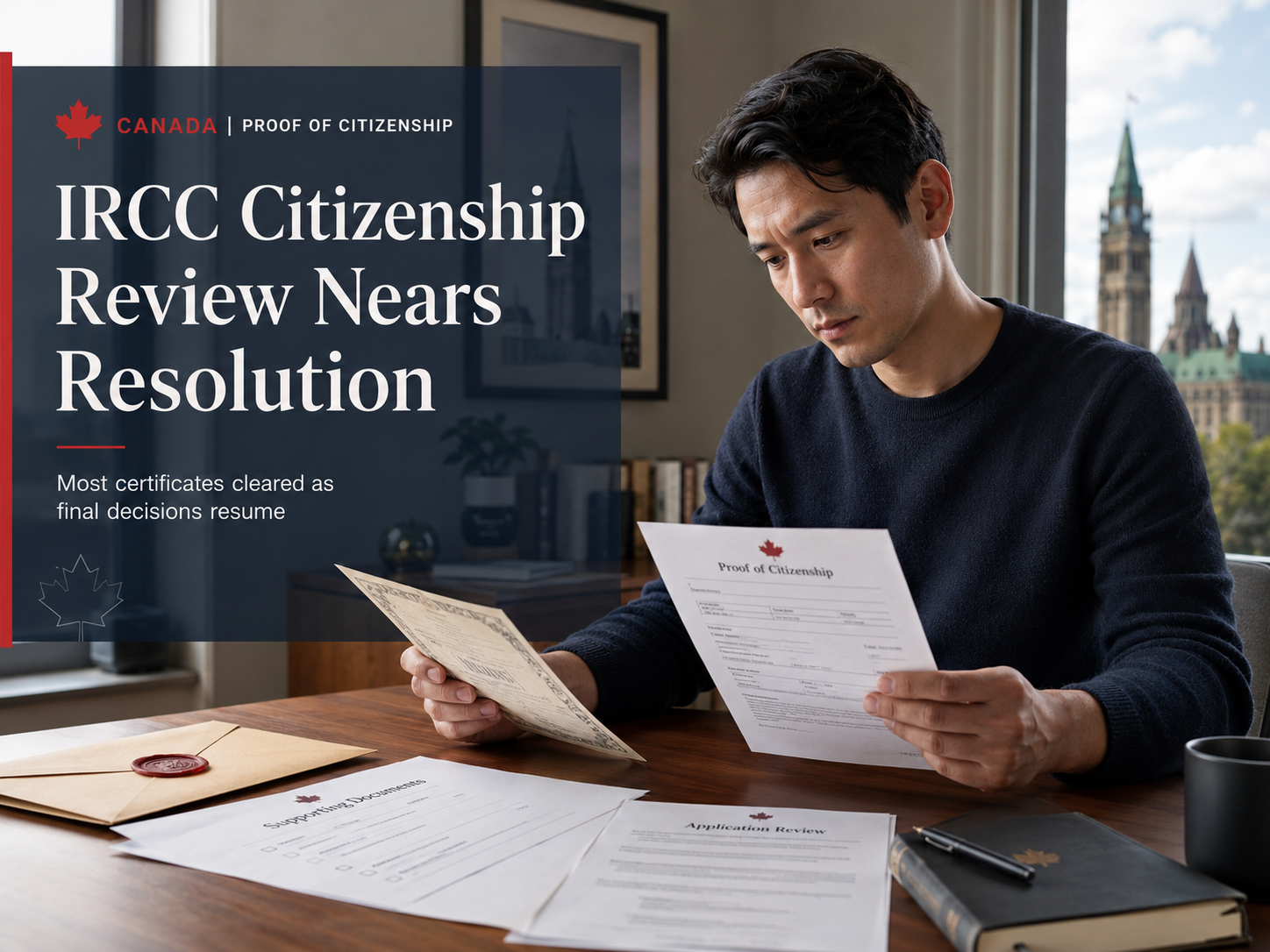
Applicants must submit a complete proof of Canadian citizenship application with official documents showing their family link to a Canadian citizen. If the documents meet the legal requirements, the criminal record itself does not change the citizenship claim described in the article.
The current processing time for proof of Canadian citizenship is about 12 months. Once approved, the person can apply for a Canadian passport, which usually takes 10 to 20 business days, not including mailing time.
The article says thousands of Americans have been applying this spring. Some are motivated by the idea of a backup passport, youth work opportunities in other countries, and access to publicly funded education or health care for themselves or their children.
Over time, this may lead to more U.S.-Canadian dual citizens entering Canada based on citizenship rights rather than visitor permission.







Having an ‘Identity Verified’ badge or being ‘Identity Verified’ simply indicates that an individual has submitted information to complete our identity verification process or we have conducted internal verification using various authorized websites. While this process includes safeguards, it does not guarantee that the person is who they claim to be.
If you encounter any issues with this profile, please report them here. While all consultants who are verified have RCIC ID, we may not have the latest data in terms of their renewal/cancellation/discontinuation of their RCIC ID.
╳The “Verified Consultants” profiles on Immiperts.com are independently compiled using publicly available information from multiple sources, including the official CICC Public Register, consultants’ own websites, other public directories, and social media.
Immiperts.com is a completely independent platform and is not affiliated with, endorsed by, or connected to the College of Immigration and Citizenship Consultants (CICC), IRCC, or any immigration consultant.
All information is collected manually and is for educational and informational purposes only. Consultants may claim, update, or request removal of their profile by contacting us at hello@immiperts.com.
Users are strongly advised to always verify the latest authorization status directly on the official CICC Public Register at college-ic.ca.