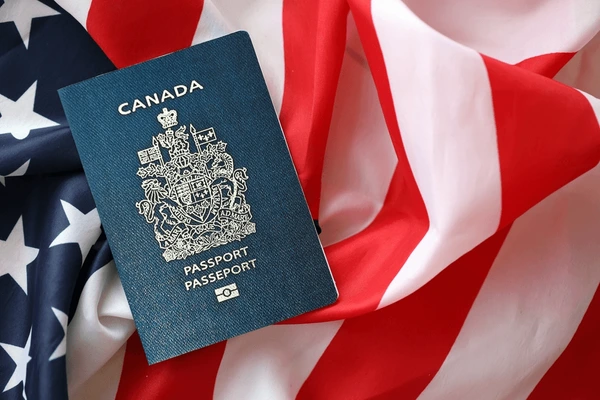


A recent change in Canada’s citizenship rules has sparked a surge of interest among Americans with Canadian ancestry. Families now dig through old boxes, searching for long-forgotten papers that could confirm their eligibility. These documents, once kept for sentimental reasons, now play a key role in proving citizenship through family lines.
The rule change removed limits that once blocked many people from claiming citizenship beyond the first generation. As a result, more individuals now seek official proof of their Canadian heritage.
Birth certificates form the backbone of most applications. Applicants must show a clear line of descent, linking themselves step by step to a Canadian-born ancestor.
Officials require long-form birth certificates, which list both parents’ names. These records help confirm each family connection. A Canadian ancestor’s birth certificate also proves citizenship, since Canada grants citizenship to most people born in the country.
In many older communities, churches kept the first records of births. Baptismal certificates often serve as the earliest proof of identity, especially in places where official records came later.
Archives in Quebec and other regions have seen a sharp rise in requests. Many Americans now rely on these records to trace family roots back several generations.
Census records help confirm where ancestors lived and whether they resided in Canada at key points in time. These records often support cases where official documents remain incomplete.
Many historical records now appear online, allowing applicants to access details from home. This access has made research faster and more convenient.
Some applications involve missing or unclear parent information. In these cases, officials accept supporting documents such as court orders, hospital records, or surrogacy agreements.
Authorities may also request DNA testing if the relationship between family members remains uncertain.
Family names often change over generations. Marriage certificates, divorce papers, and legal name-change records help explain these differences.
These documents connect different identities across time, ensuring that each record belongs to the same person.
When key documents remain missing, applicants turn to other records. Military files, school transcripts, property papers, and death certificates can all support an application.
Older citizenship papers, including past certificates or naturalization records, may also serve as valid proof. However, research letters alone cannot confirm citizenship status.
Once applicants gather the required documents, they submit an application for proof of citizenship. Many still complete this process on paper.
Applicants may handle the process themselves or hire a licensed representative. Current processing times stretch to about ten months.









Having an 'Identity Verified' badge or being 'Identity Verified' simply indicates that an individual has submitted information to complete our identity verification process or we have conducted internal verification using various authorized websites. While this process includes safeguards, it does not guarantee that the person is who they claim to be.
If you encounter any issues with this profile, please report them here. While all consultants who are verified have RCIC ID, we may not have the latest data in terms of their renewal/cancellation/discontinuation of their RCIC ID.
The "Verified Consultants" profiles are created using publicly available information, including data from the IRCC website, official consultant sites, other listing platforms, and social media. Immiperts.com is an independent platform, not affiliated with IRCC or any registered immigration consultants. To update, claim, or remove your profile, please contact us at [email protected].
╳