



Canada is preparing to end its current Express Entry programs and introduce one new, simpler system to manage immigration applications.
Canada has announced plans to reshape its main immigration system for skilled workers. The government aims to retire current Express Entry programs and replace them with a single, simpler pathway.
Officials shared this proposal in a forward-looking plan covering 2026 to 2028. The document outlines key changes the immigration department expects to introduce or complete over the next two years.
Under the proposal, Canada will remove three well-known immigration streams. These include the Federal Skilled Worker Class, the Canadian Experience Class, and the Federal Skilled Trades Class.
In their place, the government plans to create one new program with easier and more direct requirements. Officials have not yet released full details about how this new system will work.
However, they say the change will help meet the needs of the labour market and support businesses across the country.
The new system aims to make the process clearer for applicants, employers, and partners. By reducing complexity, officials hope more people can understand and navigate the system with ease.
The government also wants to attract a wider range of skilled workers. The goal is to build a stronger and more flexible workforce that can respond to different job demands across Canada.
At this stage, the proposal remains under review. The government plans to consult with stakeholders and the public in Spring 2026.
Officials say they will share more details during that time, including how the new program will operate and who will qualify.
If approved, this reform will mark one of the biggest changes to Canada’s skilled immigration system since Express Entry began in 2015.
Express Entry currently serves as Canada’s main system for managing permanent residence applications for skilled workers.
People who wish to move to Canada must first qualify under one of the existing programs. After they enter the system, officials rank them using a points-based method that considers factors such as age, education, work experience, and language ability.
Top candidates receive invitations to apply for permanent residence. They then have 60 days to submit full applications with supporting documents.
The government usually processes these applications within six months.
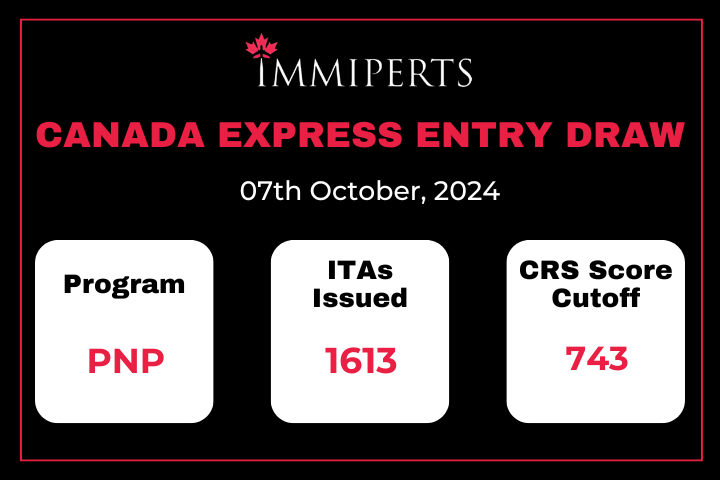
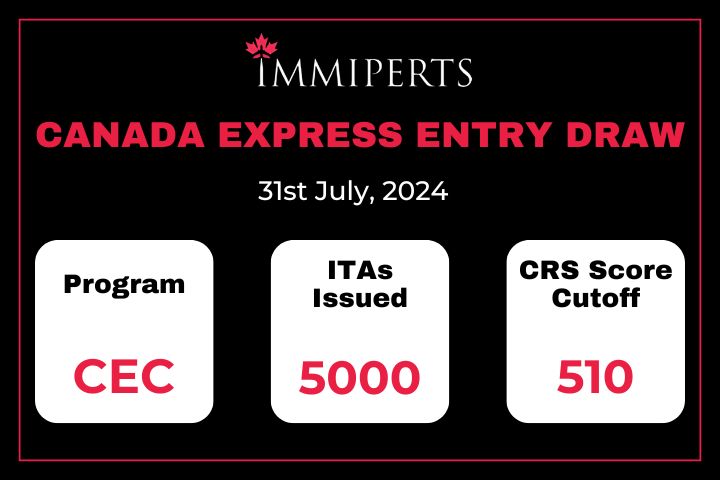
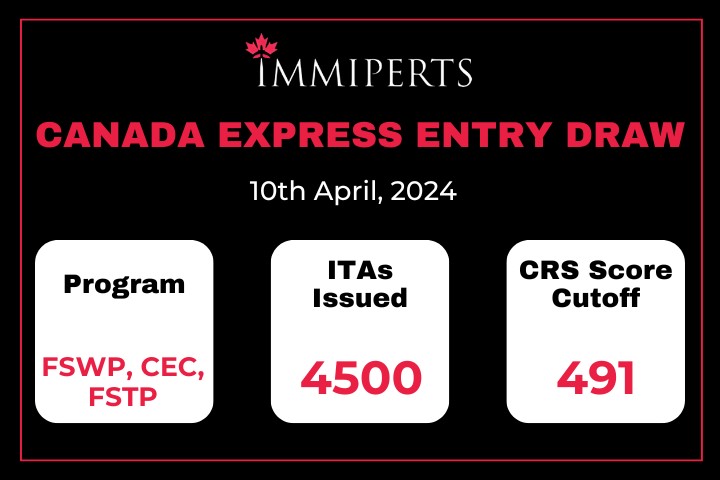
The Express Entry system continues to play a key role in Canada’s immigration plans. In 2025 alone, officials issued nearly 118,000 invitations to apply for permanent residence through this system.
Each of the current programs targets different types of workers. Some focus on those with Canadian work experience, while others serve skilled professionals or tradespeople from abroad.
The proposed changes reflect Canada’s effort to keep its immigration system up to date. As labour needs shift, the government continues to adjust how it selects newcomers.
While many details remain unclear, the planned overhaul signals a move toward a more unified and flexible approach.








Having an ‘Identity Verified’ badge or being ‘Identity Verified’ simply indicates that an individual has submitted information to complete our identity verification process or we have conducted internal verification using various authorized websites. While this process includes safeguards, it does not guarantee that the person is who they claim to be.
If you encounter any issues with this profile, please report them here. While all consultants who are verified have RCIC ID, we may not have the latest data in terms of their renewal/cancellation/discontinuation of their RCIC ID.
╳The “Verified Consultants” profiles on Immiperts.com are independently compiled using publicly available information from multiple sources, including the official CICC Public Register, consultants’ own websites, other public directories, and social media.
Immiperts.com is a completely independent platform and is not affiliated with, endorsed by, or connected to the College of Immigration and Citizenship Consultants (CICC), IRCC, or any immigration consultant.
All information is collected manually and is for educational and informational purposes only. Consultants may claim, update, or request removal of their profile by contacting us at hello@immiperts.com.
Users are strongly advised to always verify the latest authorization status directly on the official CICC Public Register at college-ic.ca.