
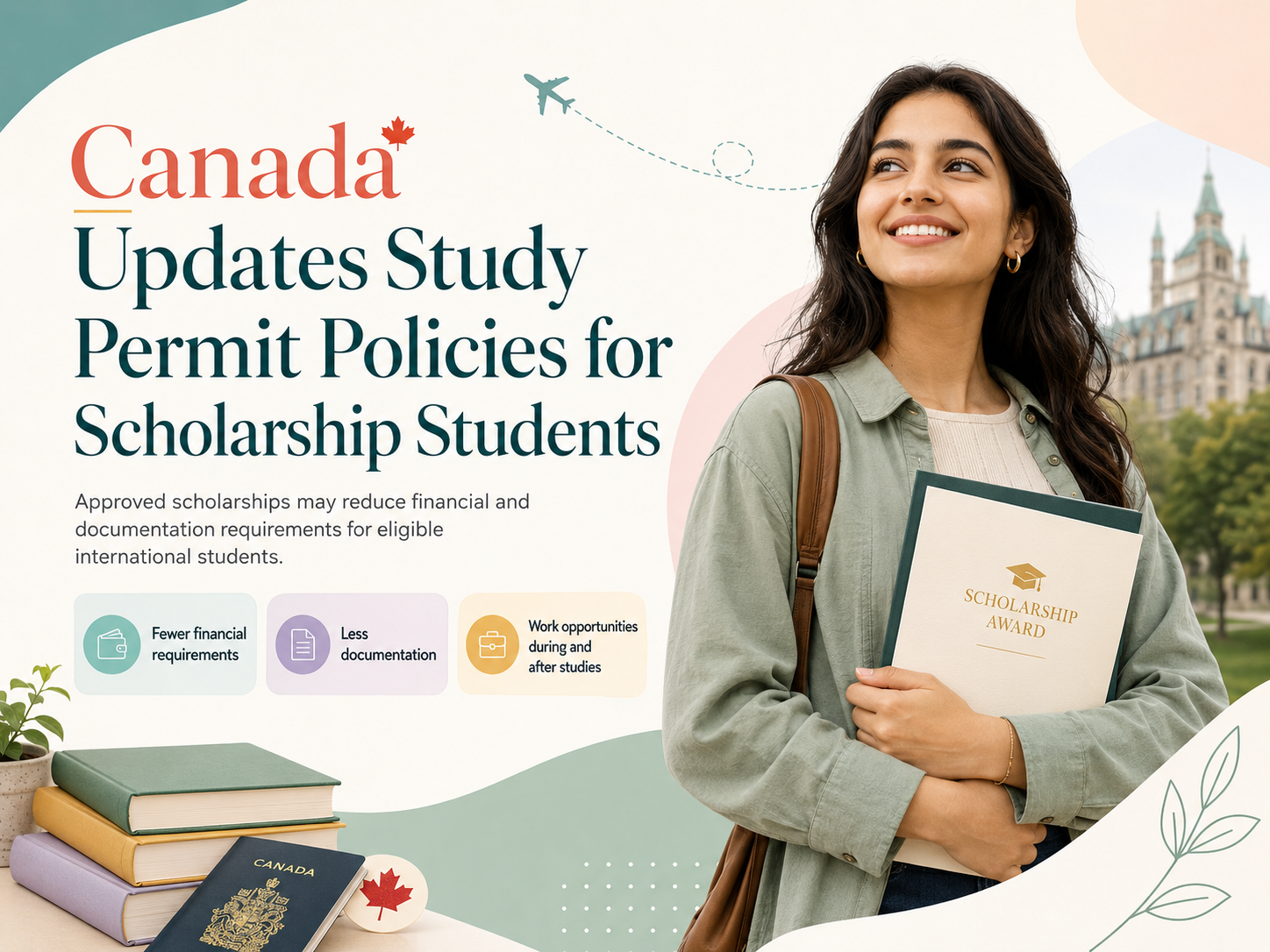


Canada updates study permit rules so students with approved scholarships may face fewer requirements and better access to study permit approval.
Canada’s immigration authorities have clarified new policies around study permit scholarships that are expected to open up fresh opportunities for international students. Recent guidance confirms that students backed by approved scholarships may benefit from simplified requirements and better access to study in Canada.
These updates boost Canada’s ongoing efforts to attract global learners and strengthen its education system by making key parts of the study permit process smoother for scholarship recipients.
Students receiving certain scholarship awards, especially those supported by government programs or organised partnerships, may now qualify for important study permit benefits. These advantages include easier acceptance of financial qualifications and exemptions from some provincial documentation requirements that are usually needed for standard study permit applications.
For many students, meeting the financial requirements of a study permit is one of the tougher steps. Scholarship recipients are often viewed by officials as already financially prepared, reducing the need for additional proof of funds. The policy also recognises the academic strength of these students, which can streamline certain evaluations during the permit process.
Alongside this, students participating in exchange programmes or internationally funded scholarship schemes may receive clearer guidance on how their awards affect study permit applications. This helps educational institutions and students alike plan for arrivals in Canada with greater certainty.
To study in Canada, international students typically need a study permit, which is required for full‑time programs lasting longer than six months. Applicants must show they have enough money for tuition and living expenses, have no serious criminal record, and intend to leave Canada once their permit expires.
Scholarship recipients still need a letter of acceptance from a recognised Canadian institution and must meet basic eligibility requirements, but the updated guidance aims to reduce barriers by acknowledging the financial and academic credentials already established through their awards.
Depending on the type of scholarship or exchange programme, students may also qualify for waivers or exemptions related to provincial attestation requirements, which are normally part of the permit process.
These changes are expected to benefit students from all over the world by making Canada a more attractive destination for higher education. International students contribute significantly to Canada’s economy, culture, and workforce, and attracting strong candidates supports both academic institutions and local communities.
Students are encouraged to research specific scholarship programmes and work closely with the educational institutions where they plan to study. Universities and colleges often provide detailed information on how scholarships tie into permit eligibility and what documentation students will need to submit.
While studying in Canada, international students may also have opportunities to work on or off campus, depending on the conditions listed in their study permits. Many students find part‑time work to help support themselves financially during their studies.
After completing their programs, students may also qualify for post‑graduation work permits that allow them to gain Canadian work experience, which can be valuable for future career plans or settlement pathways.


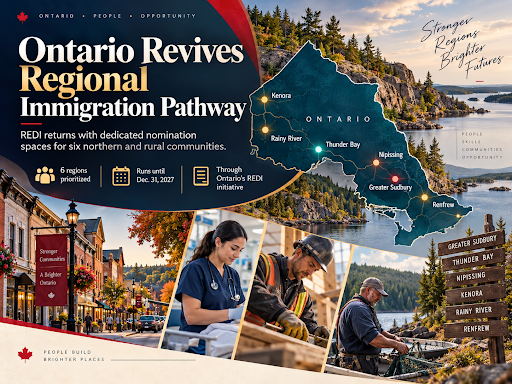
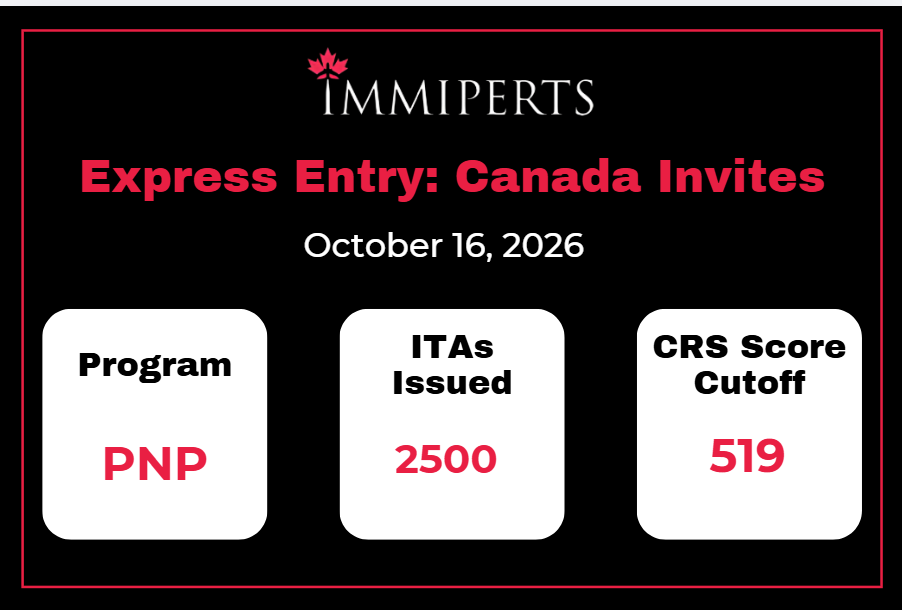

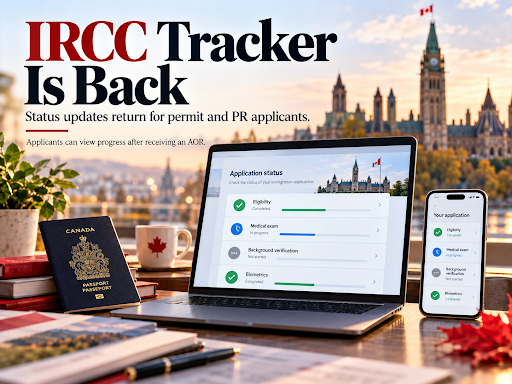








Having an ‘Identity Verified’ badge or being ‘Identity Verified’ simply indicates that an individual has submitted information to complete our identity verification process or we have conducted internal verification using various authorized websites. While this process includes safeguards, it does not guarantee that the person is who they claim to be.
If you encounter any issues with this profile, please report them here. While all consultants who are verified have RCIC ID, we may not have the latest data in terms of their renewal/cancellation/discontinuation of their RCIC ID.
╳The “Verified Consultants” profiles on Immiperts.com are independently compiled using publicly available information from multiple sources, including the official CICC Public Register, consultants’ own websites, other public directories, and social media.
Immiperts.com is a completely independent platform and is not affiliated with, endorsed by, or connected to the College of Immigration and Citizenship Consultants (CICC), IRCC, or any immigration consultant.
All information is collected manually and is for educational and informational purposes only. Consultants may claim, update, or request removal of their profile by contacting us at hello@immiperts.com.
Users are strongly advised to always verify the latest authorization status directly on the official CICC Public Register at college-ic.ca.