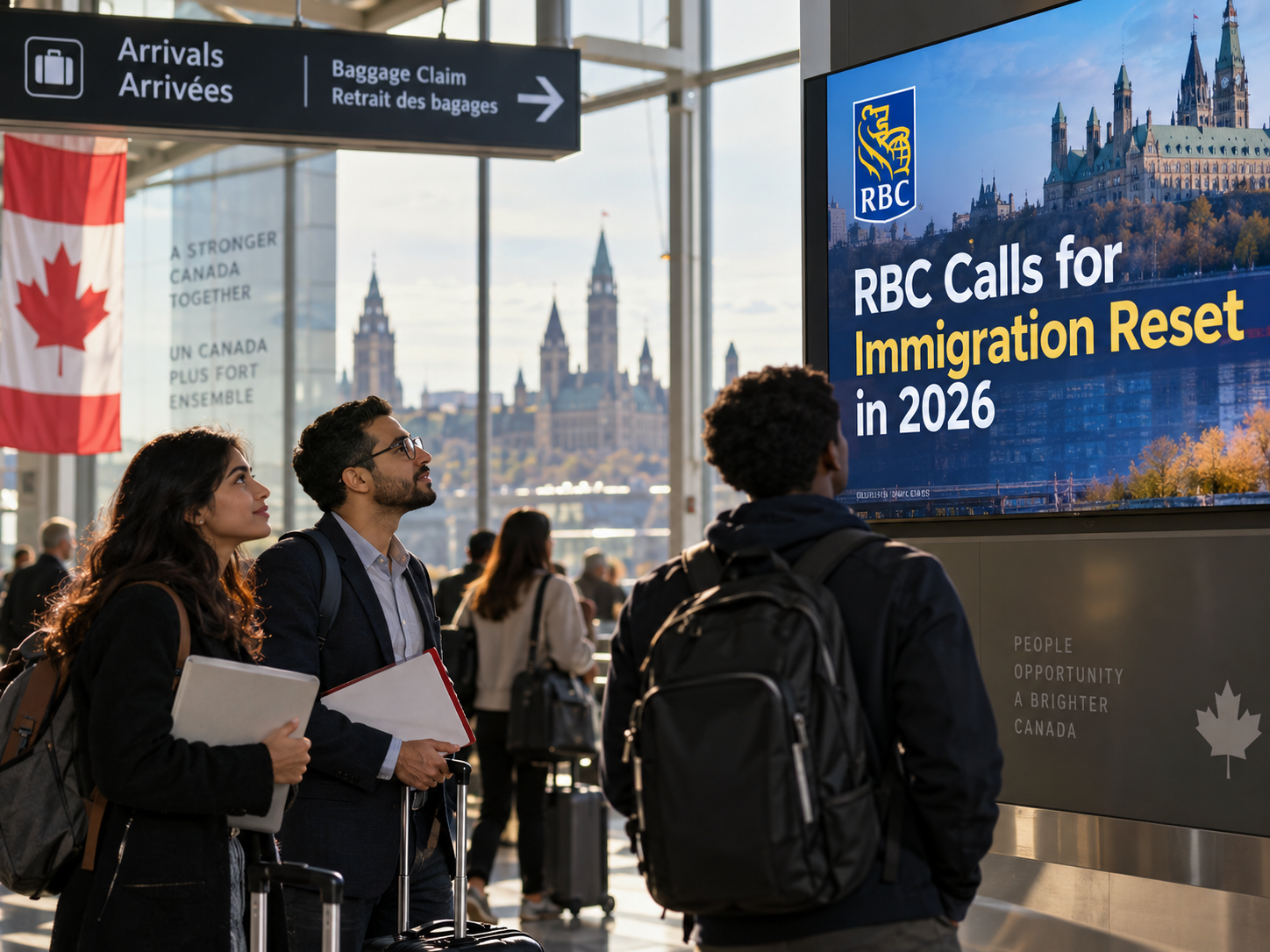


Canada has long been a preferred destination for individuals seeking a better quality of life, job opportunities, and security. In response to changing economic and demographic needs, the country continues to update its immigration policies, introducing new pathways for permanent residency (PR). These changes aim to attract skilled workers, retain international graduates, and address labour shortages across various sectors.
This blog explores the latest updates on Canada’s PR pathways, including changes to immigration programs, provincial nominee streams, and policies affecting temporary residents.
Recently, Canada has made adjustments to its annual immigration targets to balance population growth with infrastructure and economic capacity. While the country remains committed to welcoming newcomers, a more measured approach is being taken to ensure housing, healthcare, and employment markets remain stable. The focus is now on attracting immigrants who can contribute to critical sectors such as healthcare, construction, and technology.
Applicants looking to apply for PR should stay updated on these changes, as shifts in policy may impact eligibility requirements and processing times.
Provincial Nominee Programs continue to be a key route for gaining permanent residency in Canada. These programs allow provinces and territories to select candidates who meet their specific economic needs. Some notable updates in PNPs include:
PNPs are ideal for applicants who may not meet the high Comprehensive Ranking System (CRS) score requirements of Express Entry but have skills in demand in specific provinces.
International students have long used Canada as a stepping stone to permanent residency. However, policy changes have placed new conditions on post-graduate work permits (PGWPs) and PR eligibility:
These adjustments encourage international students to choose programs that align with Canada’s long-term economic needs.
The Temporary Foreign Worker Program (TFWP) has been an important entry point for many who later apply for permanent residency. Recent changes to this program include:
Temporary workers planning to apply for PR should consider employer-sponsored streams or provincial nominations to strengthen their applications.
The Express Entry system remains a primary pathway for skilled workers seeking permanent residency. However, the selection process has evolved to focus more on specific labour market needs:
Prospective applicants should tailor their profiles to match the current demand in the Express Entry pool to improve their chances of receiving an Invitation to Apply (ITA).
To help reunite families more efficiently, Canada has introduced measures to speed up processing times for spousal and dependent sponsorships. Key improvements include:
These changes aim to reduce the backlog and help families settle together more quickly in Canada.
Canada has been actively promoting Francophone immigration outside Quebec to support bilingual communities. Recent efforts include:
These initiatives align with Canada’s commitment to maintaining its bilingual identity and strengthening Francophone communities across the country.
Canada’s immigration system continues to evolve, creating new opportunities for skilled workers, international graduates, and temporary residents to obtain permanent residency. With changes in Express Entry, provincial nominee programs, and work permit policies, it is essential for prospective immigrants to stay informed and adapt their application strategies accordingly.
For those considering permanent residency in Canada, careful planning and awareness of the latest immigration updates can significantly improve their chances of success.
Having an ‘Identity Verified’ badge or being ‘Identity Verified’ simply indicates that an individual has submitted information to complete our identity verification process or we have conducted internal verification using various authorized websites. While this process includes safeguards, it does not guarantee that the person is who they claim to be.
If you encounter any issues with this profile, please report them here. While all consultants who are verified have RCIC ID, we may not have the latest data in terms of their renewal/cancellation/discontinuation of their RCIC ID.
╳The “Verified Consultants” profiles on Immiperts.com are independently compiled using publicly available information from multiple sources, including the official CICC Public Register, consultants’ own websites, other public directories, and social media.
Immiperts.com is a completely independent platform and is not affiliated with, endorsed by, or connected to the College of Immigration and Citizenship Consultants (CICC), IRCC, or any immigration consultant.
All information is collected manually and is for educational and informational purposes only. Consultants may claim, update, or request removal of their profile by contacting us at hello@immiperts.com.
Users are strongly advised to always verify the latest authorization status directly on the official CICC Public Register at college-ic.ca.