
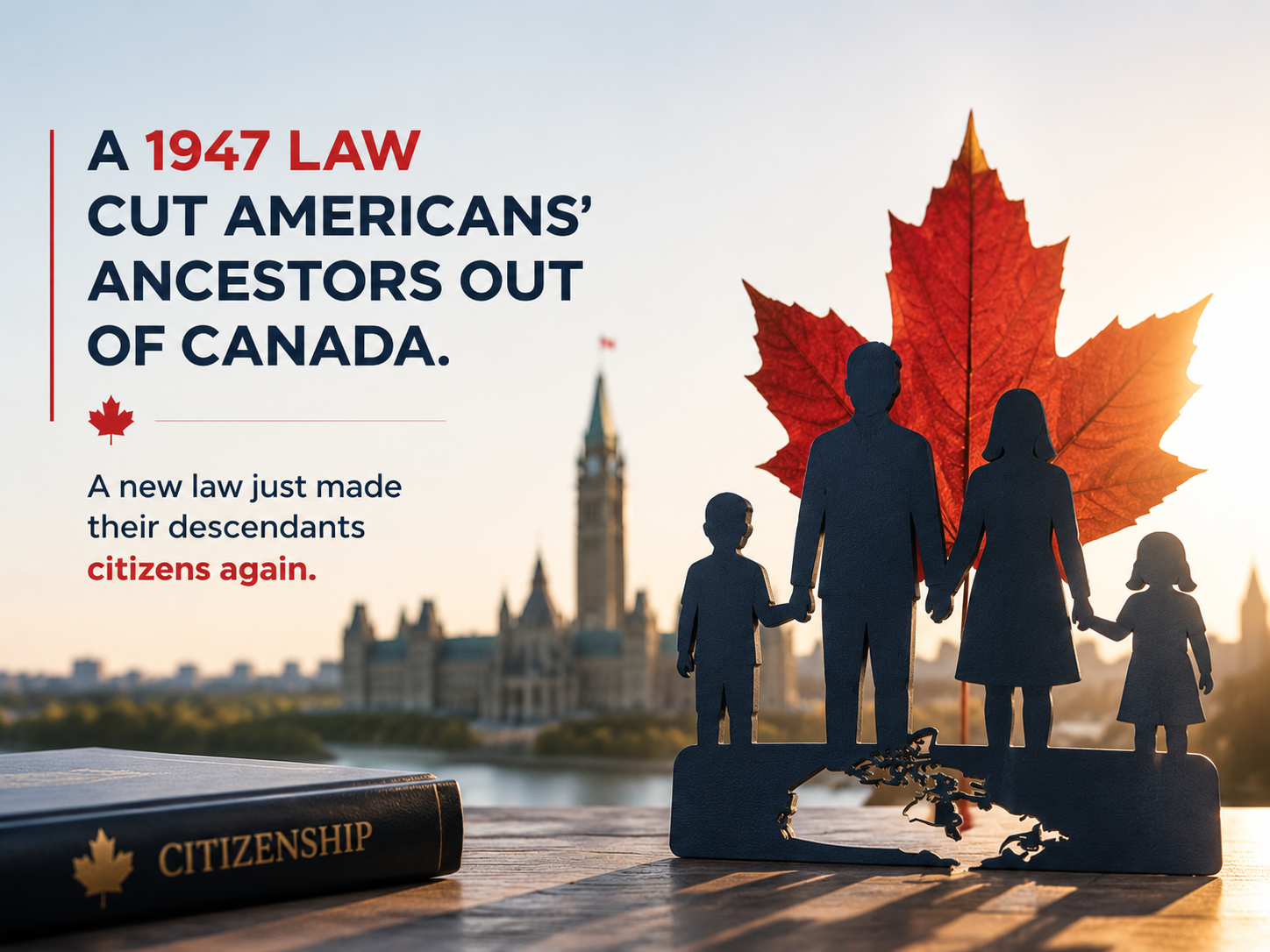


New citizenship rules are reshaping how pre-1947 family lines are recognized in Canada.
Canada has updated its citizenship framework, reopening eligibility for many people whose family lines were previously cut off by early citizenship laws. The changes focus on rules tied to 1947, when Canada first created formal citizenship status.
The new interpretation of the law is helping descendants of earlier generations understand whether they may now qualify for citizenship through their family history.
Canada introduced its first citizenship law on January 1, 1947. Before that, people living in Canada were considered British subjects rather than Canadian citizens.
That shift created strict rules about who qualified automatically. Many people who had lived in Canada for years were excluded based on gender, marriage status, or residency conditions.
These early rules continue to affect modern citizenship claims, especially for families tracing ancestry through earlier generations.
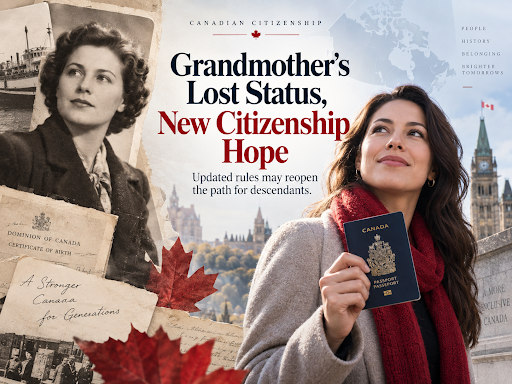
One major group impacted includes Canadian-born women who lost their status after marrying foreign nationals before 1947. At the time, a woman’s nationality often followed her husband, which meant some lost their legal connection to Canada.
Another affected group includes British subjects who lived in Canada but had to meet specific conditions to become citizens when the law changed. Some were required to still be living in Canada on January 1, 1947, or meet other residency conditions.
Families today may still discover that these historical rules affect their eligibility for citizenship.
Under updated citizenship law, several categories now recognize descendants tied to the 1947 transition. These include people born or naturalized in Canada before 1947 who did not automatically become citizens, as well as British subjects living in Canada at the time.
The law also covers descendants born outside Canada before 1947 who trace back to qualifying parents.
A separate category applies to Newfoundland and Labrador, which joined Canada in 1949. That region follows its own April 1, 1949, citizenship rules.
A major update came with Bill C-3, which received Royal Assent on November 20, 2025, and came into force on December 15, 2025.
The law removes previous limits that prevented citizenship from passing beyond the first generation born outside Canada. It now allows more descendants of Canadian citizens to qualify, including those affected by older rules tied to 1947.
This change has reopened pathways for many families whose citizenship line was previously interrupted.
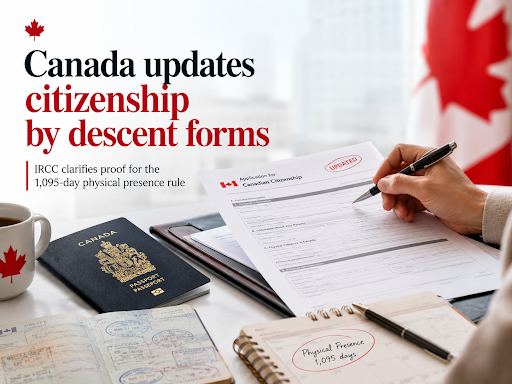
To apply for proof of citizenship, applicants must provide documents for each generation in their family line. This includes birth certificates, proof of parentage, and records showing citizenship status.
For older cases, additional documents such as British subject records, residency proof, or marriage certificates may be required.
IRCC has also updated its documentation rules, meaning applicants must follow the newest standards when submitting claims.
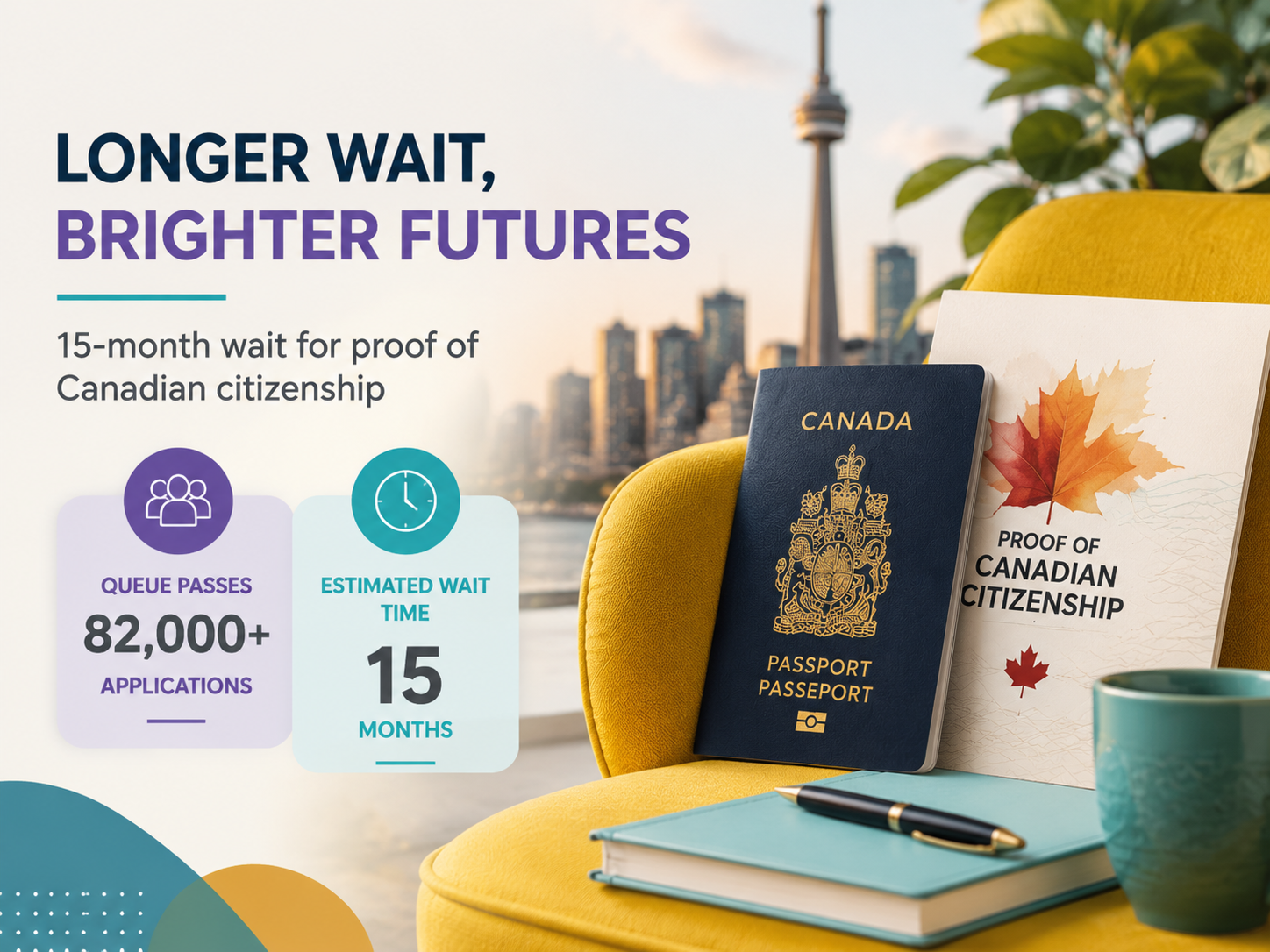
Applicants must still apply for a citizenship certificate to confirm their status. Processing times are currently around 15 months.
IRCC says documentation is the most time-consuming part of the process, as records often need to be collected across multiple generations and jurisdictions.
Families with complex histories may need additional review before approval is granted.






Having an ‘Identity Verified’ badge or being ‘Identity Verified’ simply indicates that an individual has submitted information to complete our identity verification process or we have conducted internal verification using various authorized websites. While this process includes safeguards, it does not guarantee that the person is who they claim to be.
If you encounter any issues with this profile, please report them here. While all consultants who are verified have RCIC ID, we may not have the latest data in terms of their renewal/cancellation/discontinuation of their RCIC ID.
╳The “Verified Consultants” profiles on Immiperts.com are independently compiled using publicly available information from multiple sources, including the official CICC Public Register, consultants’ own websites, other public directories, and social media.
Immiperts.com is a completely independent platform and is not affiliated with, endorsed by, or connected to the College of Immigration and Citizenship Consultants (CICC), IRCC, or any immigration consultant.
All information is collected manually and is for educational and informational purposes only. Consultants may claim, update, or request removal of their profile by contacting us at hello@immiperts.com.
Users are strongly advised to always verify the latest authorization status directly on the official CICC Public Register at college-ic.ca.