
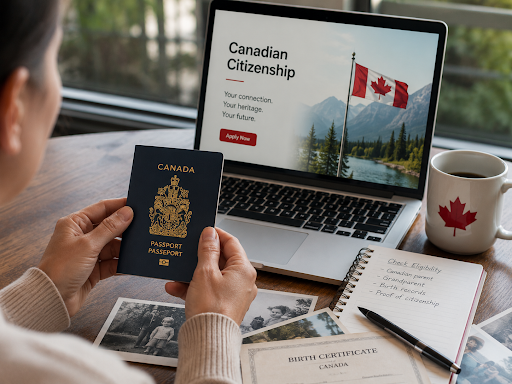


Rising US-Canada tensions coincide with a surge in Americans seeking Canadian citizenship.
As tensions between the United States and Canada continue to grow, more Americans are exploring their connection to Canada and applying for citizenship. The increase comes during a period of worsening trade relations between the two countries, creating renewed interest in Canadian citizenship opportunities.
The latest developments follow months of disagreements, including trade disputes and political tensions. At the same time, thousands of Americans are seeking recognition as Canadian citizens, with many applying based on family connections to Canada.
The latest tensions began in February 2025 after US President Donald Trump introduced tariffs on goods entering the United States from Canada. The measures affected industries on both sides of the border, including agriculture and construction.
The disagreement grew further after Trump signed an executive order directing US agencies to refer to Lake Ontario as “Lake America.” Canadian Prime Minister Mark Carney responded by highlighting the lake’s historical name, which dates back more than 400 years. Ontario Premier Doug Ford also rejected the proposed change, saying, “No one is going to call it Lake America.”
Economists have warned that a prolonged trade conflict could affect certain Canadian provinces and industries. British Columbia, Ontario, and Quebec are expected to experience some of the strongest impacts from the tariffs.
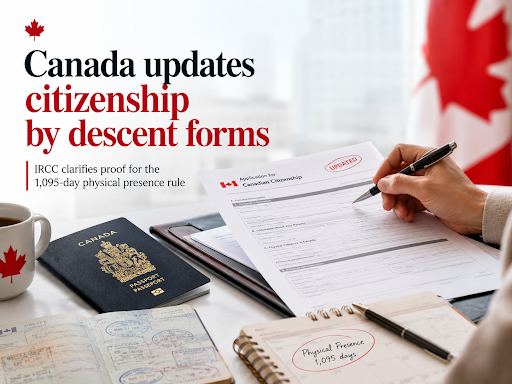
While political tensions have increased, many Americans are discovering they may already have a pathway to Canadian citizenship through their family history. Changes to Canada’s citizenship law on December 15, 2025, removed the previous first-generation limit on citizenship by descent.
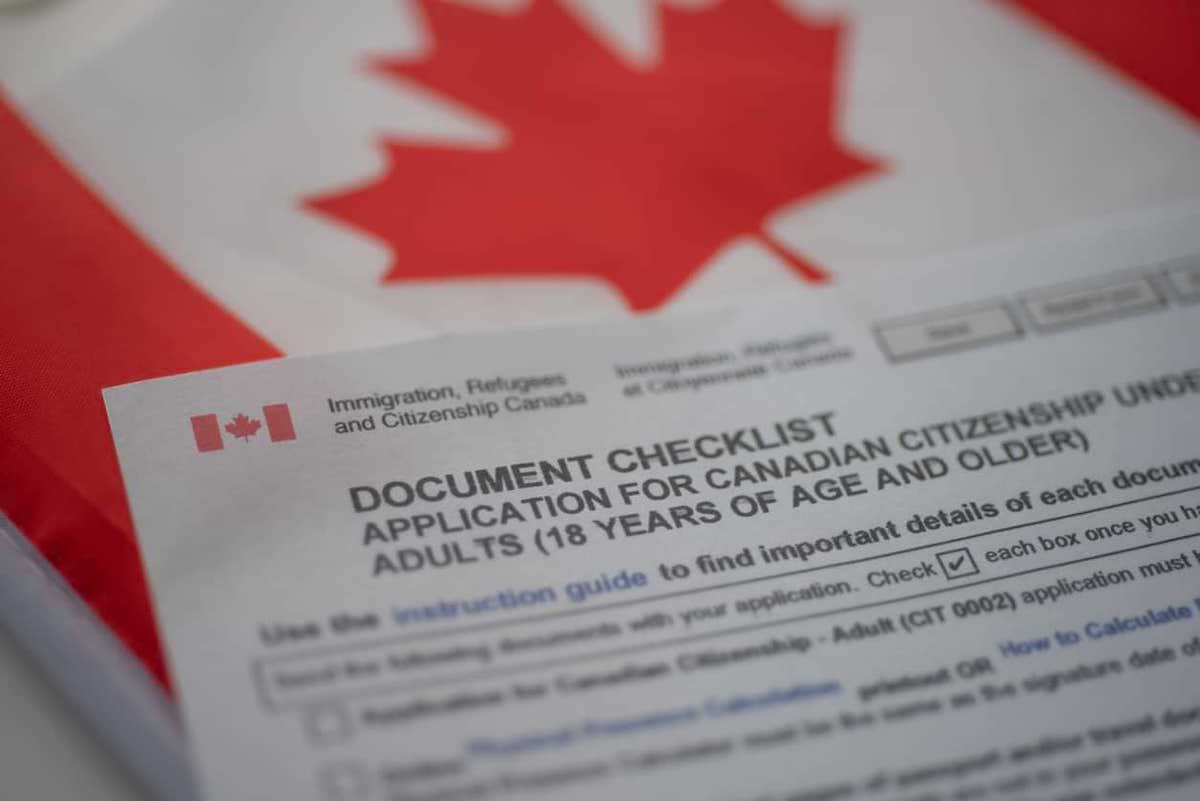
Under the updated rules, people who can prove a direct connection to a Canadian ancestor, including a grandparent, great-grandparent, or earlier generation, may be eligible for citizenship. Applicants must provide documents proving their family connection to Canada.
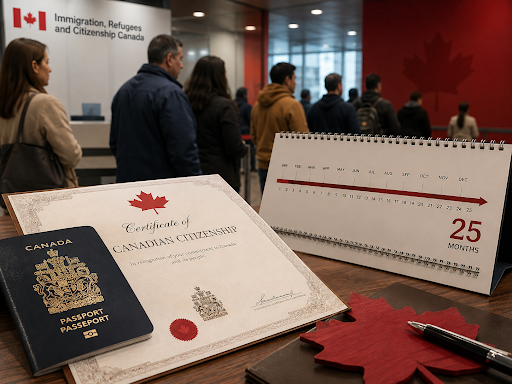
Unlike regular citizenship applications, those applying through citizenship by descent do not need to take a citizenship test or attend an oath ceremony. Successful applicants receive a Canadian citizenship certificate, which confirms their status and allows them to apply for a Canadian passport.
The number of Americans applying for Canadian citizenship certificates has increased sharply since the law change. Data showed that applications from US citizens in January 2026 exceeded the combined total from the next nine countries.
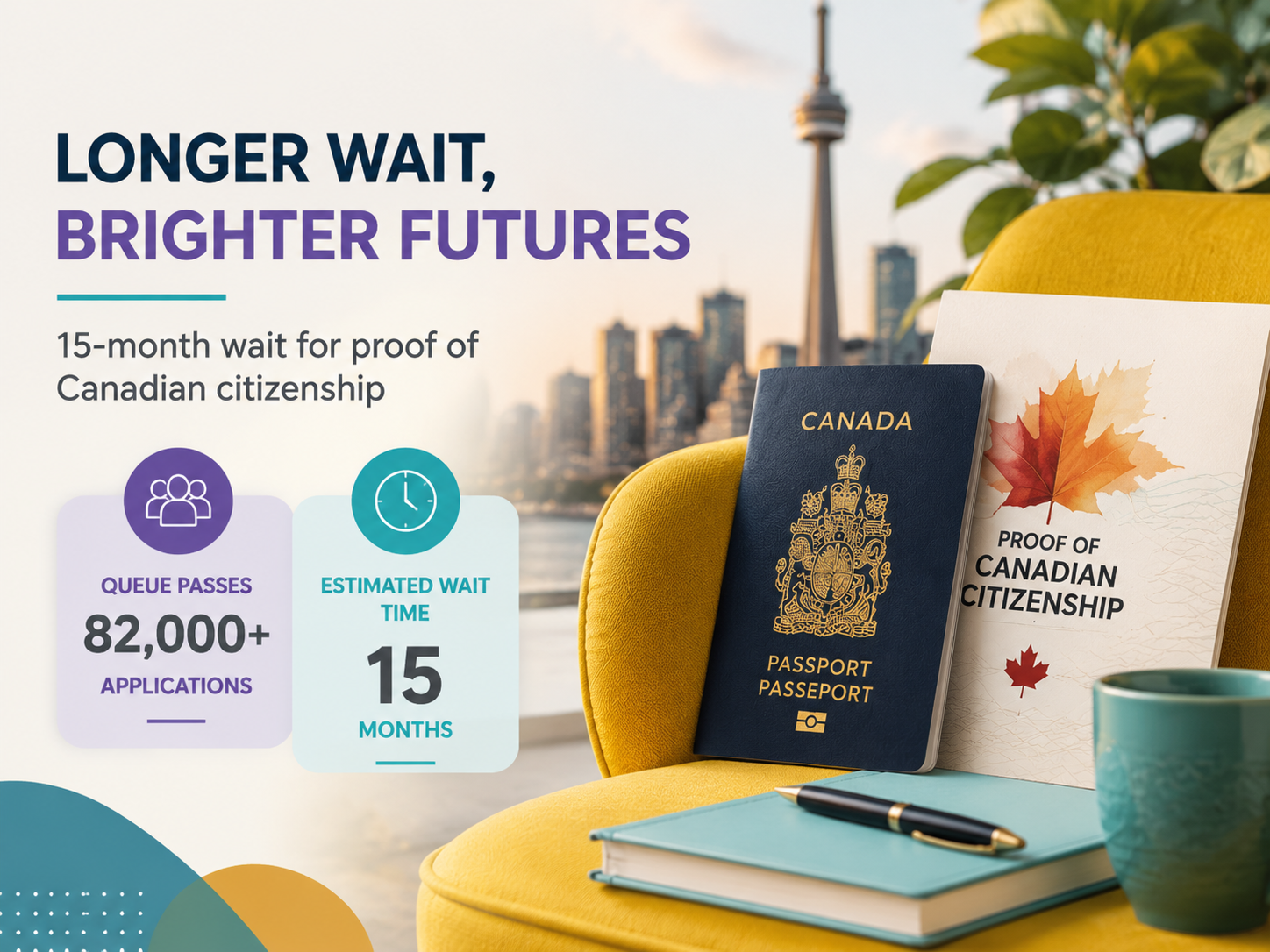
The processing queue has also expanded. The number of people waiting for proof of Canadian citizenship increased from 70,400 in May 2026 to 121,800 in August 2026, adding more than 51,000 applicants in three months.
The demand is partly linked to the long history of migration between Canada and the United States. Between 1840 and 1930, around 900,000 French Canadians moved from Quebec to New England, and many of their descendants may now qualify for Canadian citizenship.
Some Americans are also looking at Canadian citizenship as a backup option during uncertain times. Interest in alternative citizenship options increased after Trump began his second term, with investor citizenship applications from Americans rising by more than 75% in 2025.
Canadian citizenship can provide practical benefits, including easier access to education opportunities for children, international work programs, and the ability to settle in Canada in the future. It does not require Americans to give up their US citizenship, as both countries allow dual nationality.
Obtaining Canadian citizenship also does not automatically create Canadian tax obligations. Canada taxes based on residency, meaning citizens who do not live in Canada generally do not pay Canadian income tax.
For Americans wondering if they qualify, the first step is often researching family history. Speaking with older relatives can help identify the Canadian ancestor connected to a potential citizenship claim.
Applicants must then collect documents proving their family connection and submit the required forms according to government requirements.







Having an ‘Identity Verified’ badge or being ‘Identity Verified’ simply indicates that an individual has submitted information to complete our identity verification process or we have conducted internal verification using various authorized websites. While this process includes safeguards, it does not guarantee that the person is who they claim to be.
If you encounter any issues with this profile, please report them here. While all consultants who are verified have RCIC ID, we may not have the latest data in terms of their renewal/cancellation/discontinuation of their RCIC ID.
╳The “Verified Consultants” profiles on Immiperts.com are independently compiled using publicly available information from multiple sources, including the official CICC Public Register, consultants’ own websites, other public directories, and social media.
Immiperts.com is a completely independent platform and is not affiliated with, endorsed by, or connected to the College of Immigration and Citizenship Consultants (CICC), IRCC, or any immigration consultant.
All information is collected manually and is for educational and informational purposes only. Consultants may claim, update, or request removal of their profile by contacting us at hello@immiperts.com.
Users are strongly advised to always verify the latest authorization status directly on the official CICC Public Register at college-ic.ca.