



Bill C-3 could help descendants of Canadian-born ancestors claim citizenship.
Canada’s birthright citizenship rules are getting fresh attention after the U.S. Supreme Court rejected Donald Trump’s attempt to limit birthright citizenship in the United States. While the American debate has drawn headlines, Canada has long followed a similar basic principle: most people born on Canadian soil are citizens at birth.
Now, a recent change to Canada’s Citizenship Act could make that fact important for families living far beyond Canada’s borders.
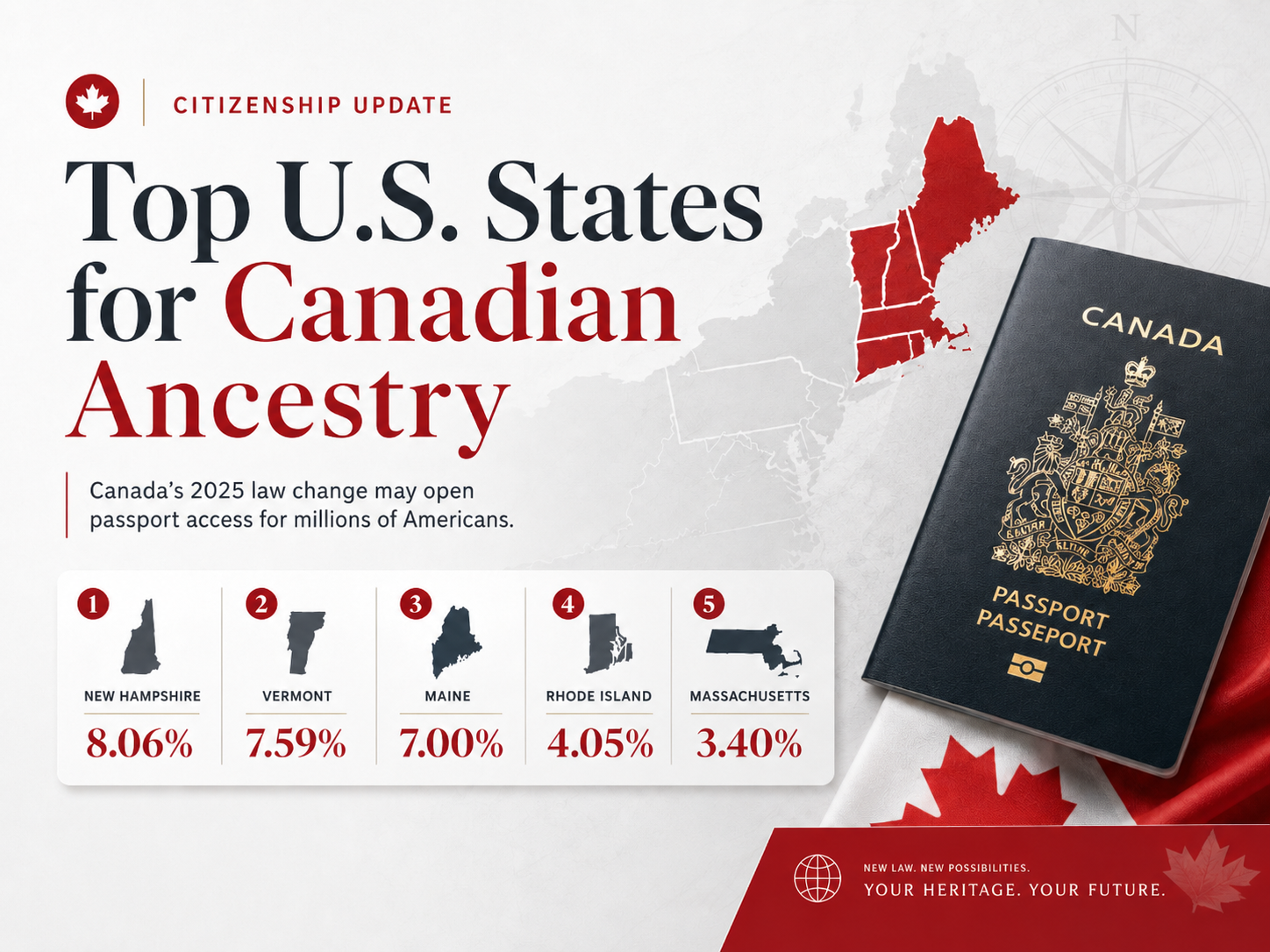
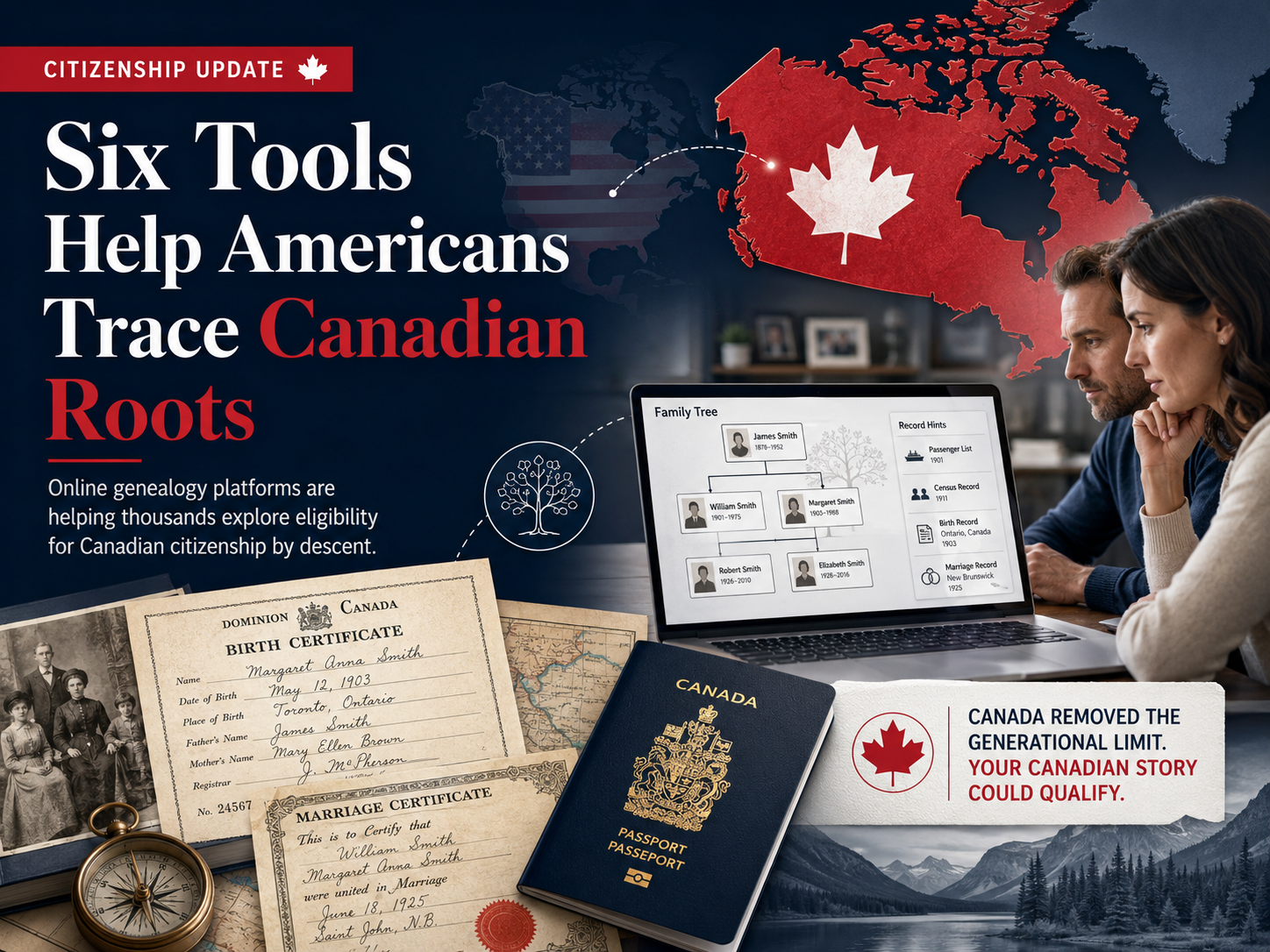
Bill C-3, which came into force on December 15, 2025, changed how Canadian citizenship by descent works. Before the change, citizenship generally passed only to the first generation born outside Canada. That meant a Canadian citizen born in Canada could usually pass citizenship to a child born abroad, but not always to grandchildren or later descendants.
Bill C-3 removed the first-generation limit for people born before December 15, 2025, in certain cases. This means a person may now be recognized as Canadian if they can show an unbroken family line back to a Canadian citizen.
That Canadian ancestor could be a parent, grandparent, great-grandparent, or even further back. The applicant and their parents do not necessarily need to have been born in Canada.
For children born or adopted abroad on or after December 15, 2025, different rules apply. If the Canadian parent was also born abroad, that parent generally needs to show a strong connection to Canada, including 1,095 days of physical presence in the country before the child’s birth or adoption, unless an exception applies.
Canada has recognized birthright citizenship since the Citizenship Act took effect on January 1, 1947. In most cases, a person born in Canada became Canadian at birth, even if their parents were not Canadian citizens. Children of foreign diplomats are one of the main exceptions.
This rule matters because many people were born in Canada, left as infants or young children, and never applied for a Canadian passport. They may still have been Canadian citizens. Under Bill C-3, that citizenship may now carry forward to later generations who were previously excluded.
For example, a woman born in Halifax in 1948 who moved to the United States as a baby may have remained Canadian. If her child and grandchild were later born in the U.S., the grandchild may now have a claim to Canadian citizenship through her.
Being eligible and proving eligibility are not the same thing. Applicants must collect documents showing each step in the family chain. These may include birth certificates, marriage certificates, death certificates, name-change records, and identity documents.
Cases involving ancestors born before 1947 can be more complex. Before Canada’s modern citizenship law, many people born in Canada were British subjects. Some later became Canadian citizens automatically when the law changed. Newfoundland and Labrador followed a separate date, April 1, 1949, because it joined Canada later.
Anyone who believes they may qualify should begin with family research. Speak with older relatives, write down names, dates, and birthplaces, and then request official records from provincial vital statistics offices or archives.
For families with older records, several generations, or changed surnames, legal advice may help avoid mistakes before applying for proof of Canadian citizenship.








Having an ‘Identity Verified’ badge or being ‘Identity Verified’ simply indicates that an individual has submitted information to complete our identity verification process or we have conducted internal verification using various authorized websites. While this process includes safeguards, it does not guarantee that the person is who they claim to be.
If you encounter any issues with this profile, please report them here. While all consultants who are verified have RCIC ID, we may not have the latest data in terms of their renewal/cancellation/discontinuation of their RCIC ID.
╳The “Verified Consultants” profiles on Immiperts.com are independently compiled using publicly available information from multiple sources, including the official CICC Public Register, consultants’ own websites, other public directories, and social media.
Immiperts.com is a completely independent platform and is not affiliated with, endorsed by, or connected to the College of Immigration and Citizenship Consultants (CICC), IRCC, or any immigration consultant.
All information is collected manually and is for educational and informational purposes only. Consultants may claim, update, or request removal of their profile by contacting us at hello@immiperts.com.
Users are strongly advised to always verify the latest authorization status directly on the official CICC Public Register at college-ic.ca.