



Canada's expanded citizenship-by-descent rules could allow eligible Americans to claim Canadian citizenship through their family history, even as immigration restrictions tighten.
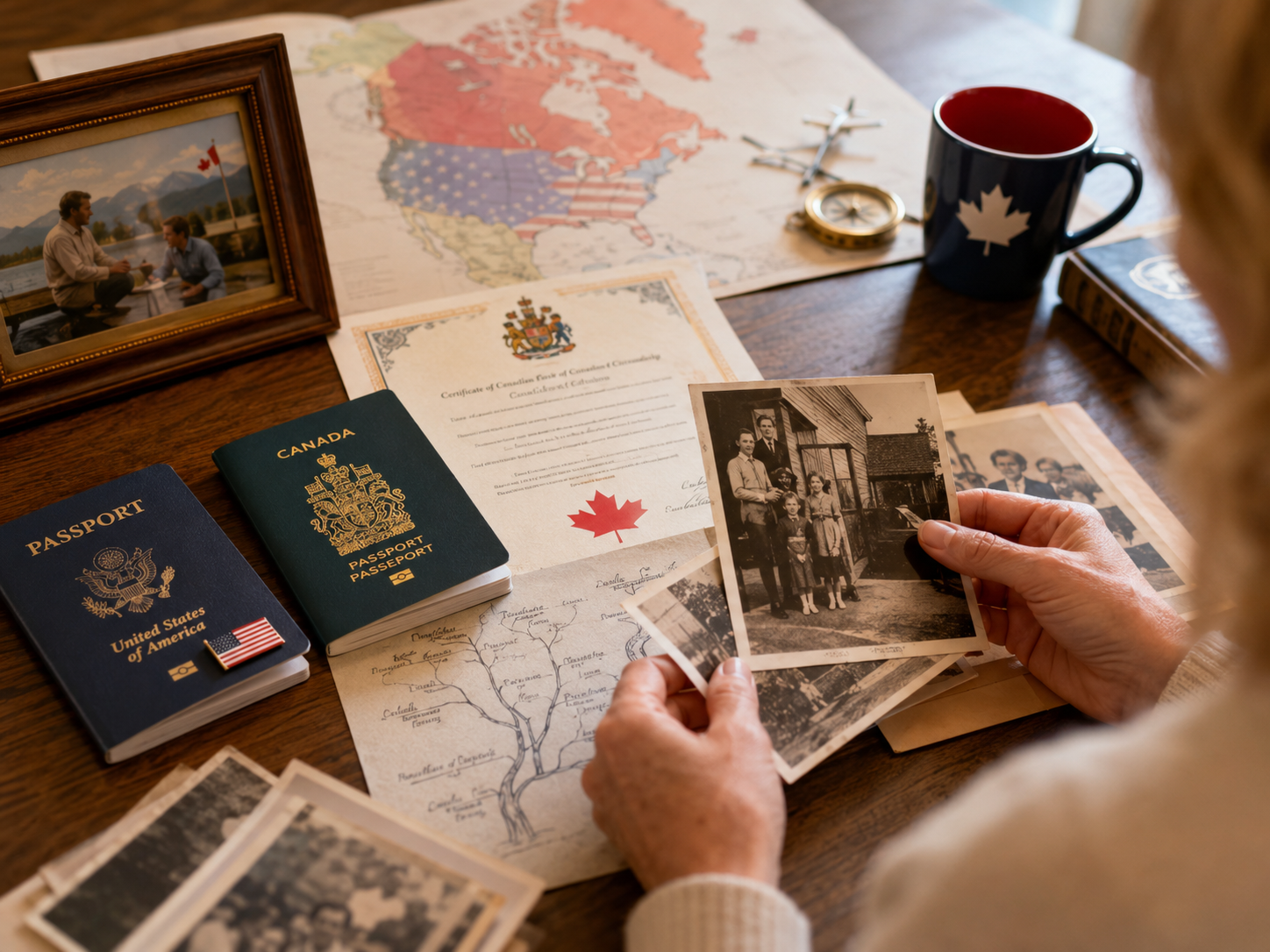
Canada is tightening immigration rules, but Americans with Canadian ancestry may have a different route to obtaining a Canadian passport. Recent changes to citizenship legislation mean some individuals born in the United States may already qualify as Canadian citizens.
Ottawa's 2026 Annual Report to Parliament on Immigration, released alongside the federal budget on November 5, outlines restrictions affecting temporary residents and immigration programs. However, citizenship by descent operates separately from regular immigration admission targets.
On December 15, 2025, Canada implemented Bill C-3, removing the first-generation citizenship limit in certain circumstances.
Previously, Canadian citizens born abroad generally could not automatically pass citizenship to children also born outside Canada.
The updated law allows many people born before December 15, 2025, to acquire citizenship through Canadian parents, including parents who became citizens under the legislative changes.
This means some Americans with Canadian grandparents or great-grandparents may qualify, provided their family history establishes an eligible citizenship connection.
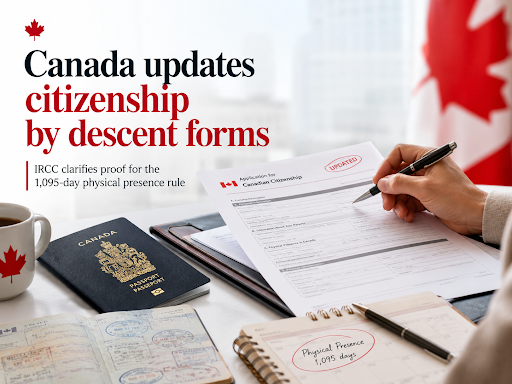
For births from December 15, 2025, onward, additional conditions apply. A Canadian parent born abroad generally must demonstrate at least 1,095 days of physical presence in Canada before the child's birth.
Unlike traditional immigration programs, eligible individuals do not need employer sponsorship, a Canadian job offer or a language examination.
They can apply for a citizenship certificate confirming their existing status rather than applying to become permanent residents first.
Once approved, applicants can use their certificate to request a Canadian passport.
Canadian citizenship also provides the right to live and work throughout Canada. Since both Canada and the United States recognize dual citizenship, eligible Americans can generally retain their American nationality.
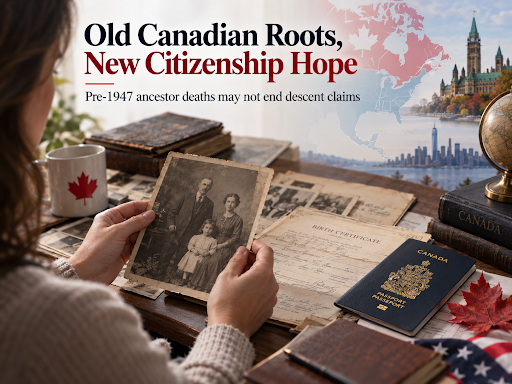
Family records often provide the first indication of possible eligibility.
French-Canadian surnames, historical migration patterns and relatives who previously lived in Canada may offer useful clues.
Many French-Canadian families settled in New England between 1840 and 1930. Families in Louisiana, Michigan, Minnesota and Wisconsin may also discover Canadian ancestry.
However, family names and immigration stories alone cannot establish citizenship.
Applicants must demonstrate a qualifying direct family connection through official documents.
Immigration, Refugees and Citizenship Canada (IRCC) requires applicants to establish their family connections through reliable records.
These may include birth certificates, marriage records, legal name-change documents and evidence of an ancestor's Canadian citizenship.
Each generation must be connected through appropriate documentation issued by official authorities.
Genealogy websites can help identify relatives, but third-party records alone cannot establish eligibility. Documents written in languages other than English or French require acceptable translations.
Although the legal changes have expanded citizenship eligibility, applicants may face significant processing delays.
As of October 9, 2026, IRCC estimated a 34-month processing period for citizenship certificates, with approximately 130,700 applications awaiting decisions.
Applicants may also need additional time to obtain historical documents from Canadian or American archives.
Individuals exploring citizenship through ancestry should begin by examining family records and confirming their eligibility under Canada's updated legislation.
For some Americans, Canadian citizenship may already be a legal entitlement rather than a new immigration opportunity.
However, each case depends on the applicant's birth date, family history and supporting evidence. IRCC determines citizenship status after reviewing the submitted documents.








Having an ‘Identity Verified’ badge or being ‘Identity Verified’ simply indicates that an individual has submitted information to complete our identity verification process or we have conducted internal verification using various authorized websites. While this process includes safeguards, it does not guarantee that the person is who they claim to be.
If you encounter any issues with this profile, please report them here. While all consultants who are verified have RCIC ID, we may not have the latest data in terms of their renewal/cancellation/discontinuation of their RCIC ID.
╳The “Verified Consultants” profiles on Immiperts.com are independently compiled using publicly available information from multiple sources, including the official CICC Public Register, consultants’ own websites, other public directories, and social media.
Immiperts.com is a completely independent platform and is not affiliated with, endorsed by, or connected to the College of Immigration and Citizenship Consultants (CICC), IRCC, or any immigration consultant.
All information is collected manually and is for educational and informational purposes only. Consultants may claim, update, or request removal of their profile by contacting us at hello@immiperts.com.
Users are strongly advised to always verify the latest authorization status directly on the official CICC Public Register at college-ic.ca.